

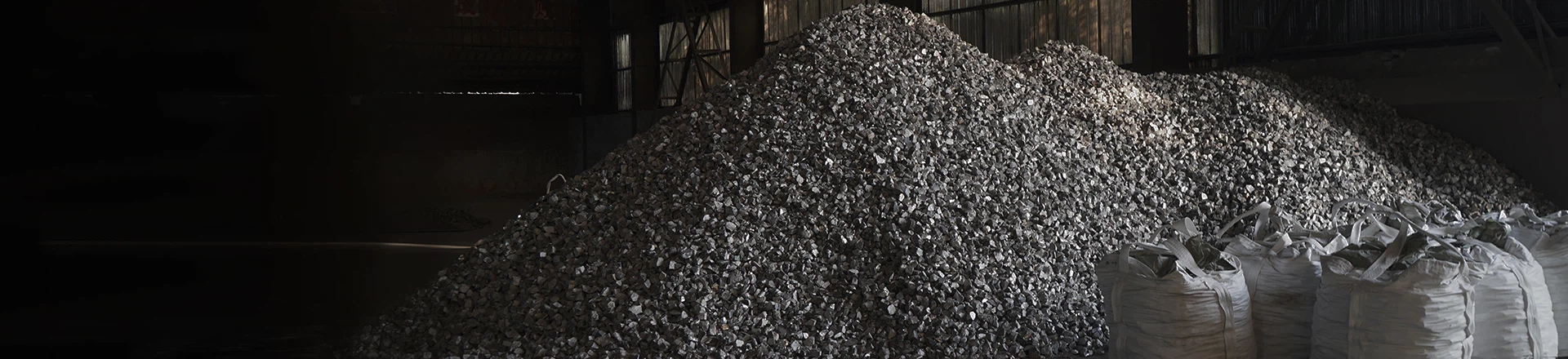
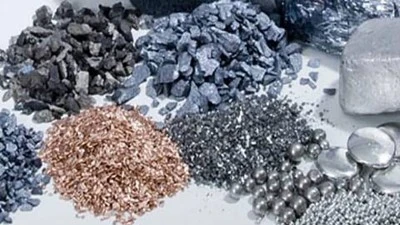
Metals are divided into two main categories: ferrous and non-ferrous metals. Ferrous metals include iron, chromium, and manganese; non-ferrous metals refer to all metals other than iron, chromium, and manganese. Non-ferrous metals can be broadly classified into the following five categories based on their density, price, reserves and distribution in the Earth's crust, as well as the timing of their discovery and use.
-
Light non-ferrous metals: Metals with a density less than 4.5, including aluminum, magnesium, potassium, sodium, calcium, strontium, and barium.
-
Heavy non-ferrous metals: Metals with a density greater than 4.5, such as copper, lead, zinc, nickel, cobalt, tin, antimony, mercury, cadmium, and bismuth.
-
Precious metals: These are non-ferrous metals with low crustal abundance, difficult extraction processes, stable reactions with oxygen and other agents, and higher prices compared to common metals. Precious metals include gold, silver, platinum, palladium, ruthenium, iridium, and rhodium.
-
Metalloids: Generally referring to five elements - silicon, selenium, tellurium, arsenic, and boron, exhibiting physical and chemical properties intermediate between metals and non-metals. For example, arsenic is a non-metal but can conduct heat and electricity.
-
Rare metals: The term "rare metals" does not denote scarcity but rather their limited distribution in the Earth's crust, challenging extraction and refining processes, and relatively late industrial applications. Rare metals include lithium, beryllium, rubidium, cesium, titanium, zirconium, hafnium, vanadium, niobium, tantalum, tungsten, molybdenum, rhenium, gallium, indium, germanium, and thallium.
Ferrous and non-ferrous metals together form the modern material system, serving as essential basic materials and vital strategic resources for the national economy, people's daily lives, defense industry, and the advancement of science and technology. Agriculture, industry, national defense, and the modernization of science and technology all rely on black metals and non-ferrous metals. High-tech weapons such as airplanes, missiles, rockets, satellites, nuclear submarines, as well as components required for cutting-edge technologies like atomic energy, television, communication, radar, and electronic computers, are mostly made from light and rare metals within non-ferrous metals. Furthermore, without non-ferrous metals such as nickel, cobalt, tungsten, molybdenum, vanadium, and niobium, there would be no production of alloy steel. Non-ferrous metals also play a significant role in certain applications, such as in the electrical power industry.
China is abundant in non-ferrous metal resources, with a relatively comprehensive range of varieties. The reserves of metals like tungsten and rare earth metals rank first in the world, while lead, nickel, mercury, aluminum, and niobium also have ample reserves. Non-ferrous metals stand out as a major advantage in China's mineral resources. The non-ferrous metal industry in China has developed rapidly, establishing a relatively complete production system from common non-ferrous metals to rare metals, with comprehensive varieties and advanced processes. The mining, ore dressing, smelting, and processing of various non-ferrous metals in China are of considerable scale, providing essential material support for the rapid development of the national economy.
Keywords: ferrous and non ferrous metals, ferrous, non ferrous metals, ferrous and non ferrous alloy, ferrous and non ferrous metal,ferro alloys


