




Silicon Carbide
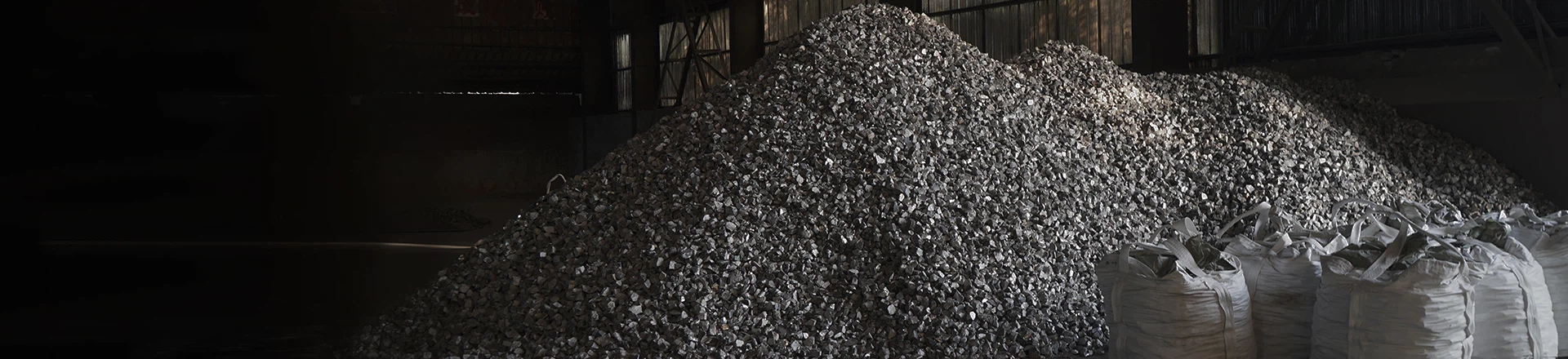
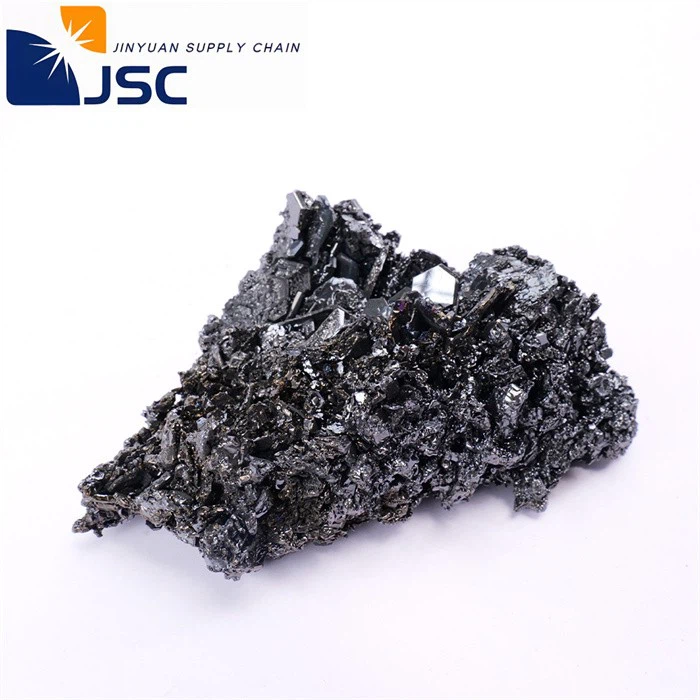
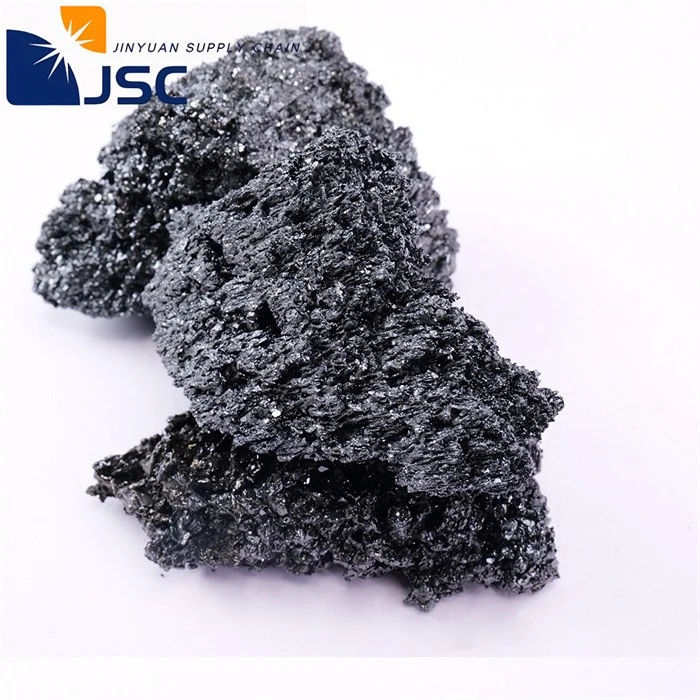
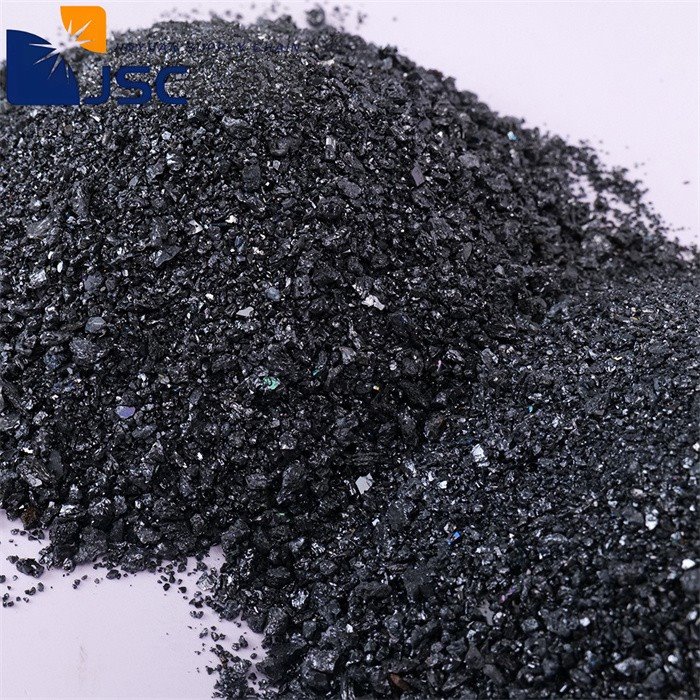
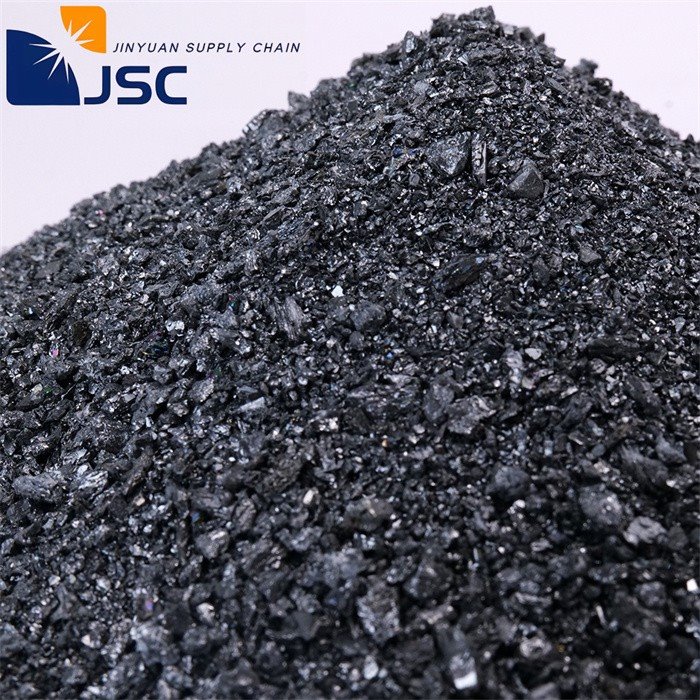
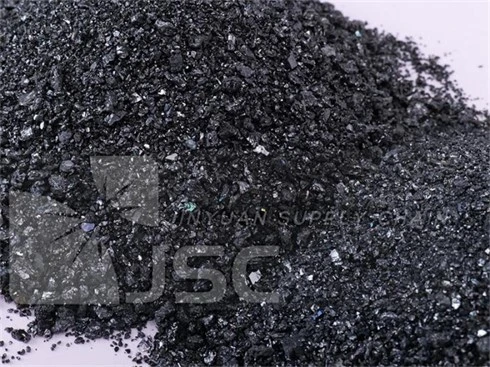
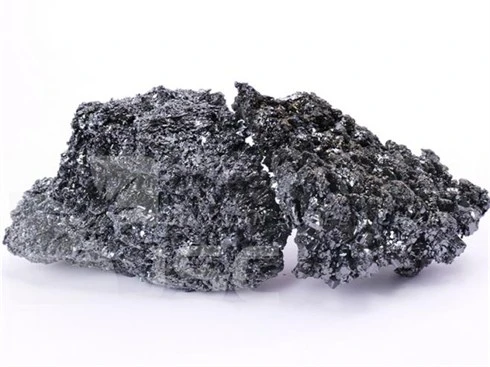
Silicon Carbide (SIC), commonly known as adamantine sand and resistant sand or refractory sand, is a semiconductor that occurs in nature in the form of the extremely rare mineral moissanite. It has a very strong bond and is thermally, chemically and mechanically stable. It has been mass-produced as powder and crystals since 1893 for use as an abrasive, among other things. Among the non-oxide high-tech refractory raw materials such as C, N and B, silicon carbide is one of the most widely and economically used.
Specification of Silicon Carbide
|
Brand |
Silicon Carbide Chemical Composition(%) |
||
|
SIC |
Free Carbon |
Fe203 |
|
| ≥ |
≤ |
||
|
SIC 98.5 |
98.50 |
0.20 |
0.60 |
|
SIC 97 |
97.00 |
0.30 |
1.20 |
|
SIC 95 |
95.00 |
0.60 |
1.20 |
|
SIC 90 |
90.00 |
1.00 |
1.20 |
|
SIC 88 |
88.00 |
4.00 |
1.50 |
|
Brand |
Silicon Carbide Briquette Chemical Composition(%) |
||
|
SIC |
AI2O3 |
Fe2O3 |
|
|
≥ |
≤ |
||
|
SIC Briquette 70 |
70.00 |
5.00 |
3.00 |
|
SIC Briquette 65 |
65.00 |
5.00 |
3.00 |
Application Of Silicon Carbide
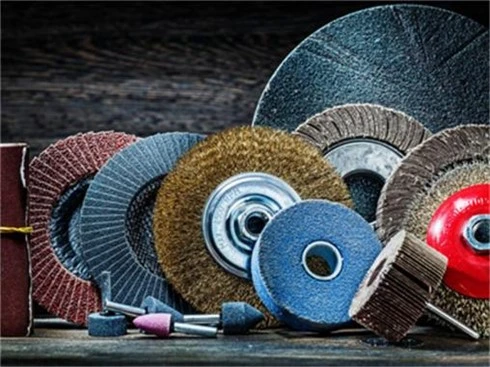
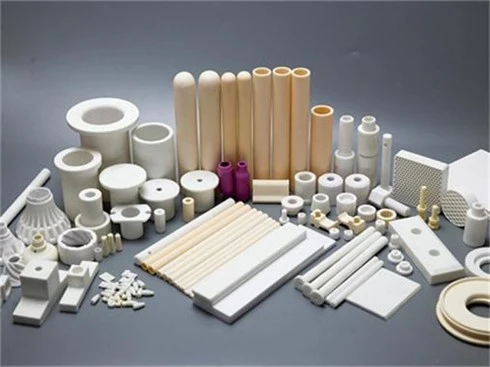
Silicon carbide has four main application areas: functional ceramics, high-grade refractories, abrasives and metallurgical raw materials.
Silicon carbide industrially produced in China is divided into two types: black silicon carbide and green silicon carbide.
Black silicon carbide contains about 95% SiC, and its toughness is higher than green silicon carbide, mostly used for processing materials with low tensile strength, such as glass, ceramics, refractory materials, cast iron and non-ferrous metals.
Green silicon carbide contains about 97% SiC, good self-sharpening, mostly used for processing cemented carbide, titanium alloy and optical glass, also used for honing cylinder liner and precision grinding high-speed steel tools.
In addition, there is cubic silicon carbide, which is a special process of yellow-green crystals, used in the production of abrasives suitable for bearing ultra-fine machining.
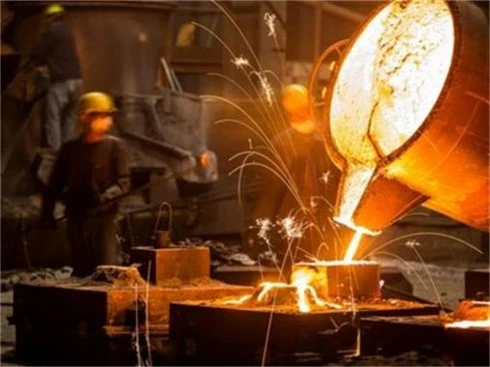
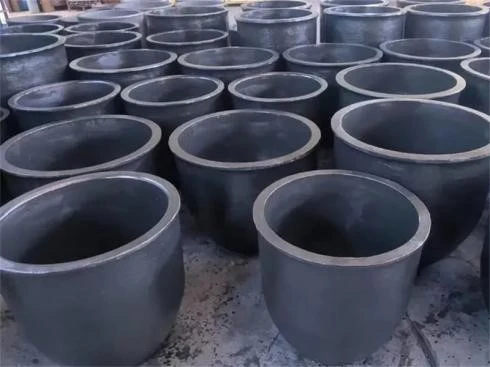

In the metallurgical industry, silicon carbide is mainly used in the following aspects
1. As a steelmaking deoxidiser: silicon carbide can be used as a steelmaking deoxidiser to make the quality of molten steel stable, and has the effect of refining grain and removing the total harmful impurities in molten steel. After the use of steel casting temperature is high, the quality of casting billet is good, the unit cost is low.
2. As a carbon additive: silicon carbide can be used to increase the carbon content of steel, and improve the hardness and strength of steel.
3. As ferrosilicon substitute: silicon carbide can replace ferrosilicon and carburizer to reduce the cost of steelmaking.
4. As a high-temperature material: Silicon carbide has the characteristics of high thermal conductivity, high corrosion resistance, high strength, etc. It can be used as a high-temperature material, such as steelmaking furnace lining, casting moulds and so on.
5. As a slag purifier: silicon carbide can be used as a slag purifier to help remove harmful impurities in steel.
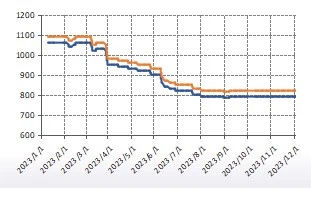
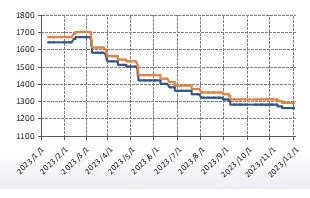
Silicon Carbide Price
Silicon Carbide Production
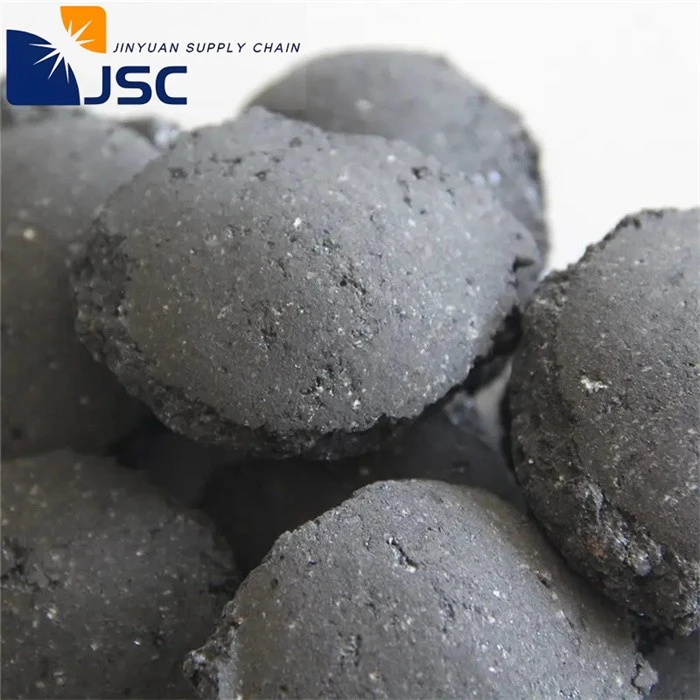
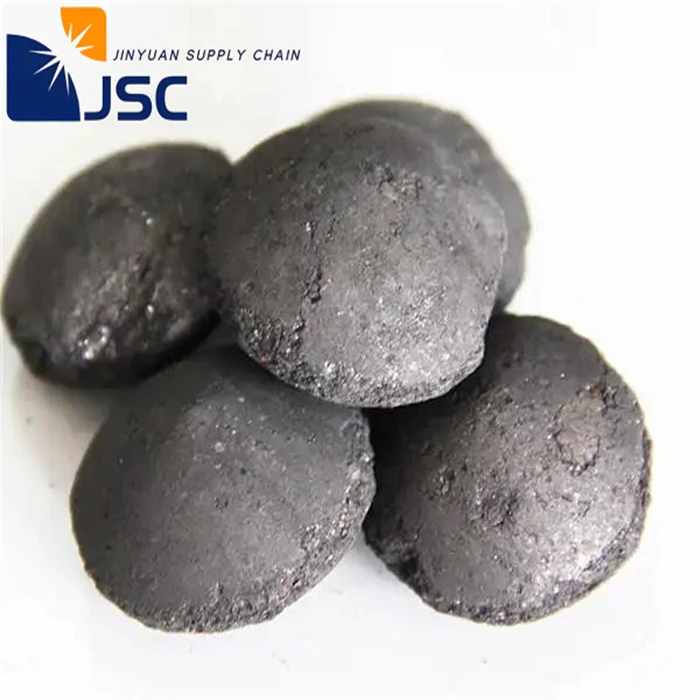
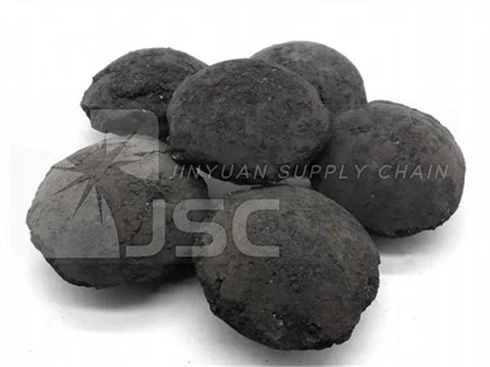
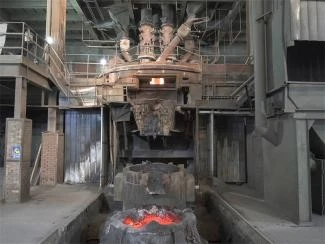
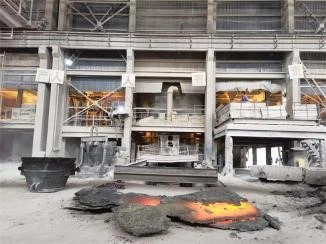
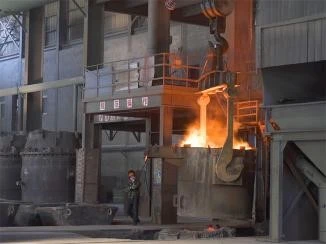
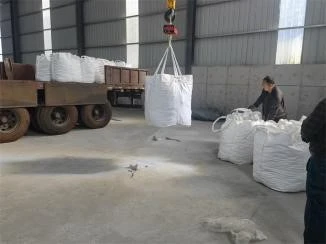
Due to the scarcity of natural silicon carbide, silicon carbide is mainly manufactured. The common method involves mixing quartz sand with petroleum coke, utilizing the silicon dioxide and petroleum coke, adding salt and wood chips, placing them in an electric furnace, heating to a temperature of around 2000°C, and obtaining silicon carbide through various chemical processes. Finally, the produced silicon carbide is processed into SIC lumps, SIC granules, SIC powder and silicon carbide balls (SIC Briquette) according to customer needs.
Hot Tags: silicon carbide, China silicon carbide manufacturers, suppliers, factory, Casi Wire, Medium Carbon Ferro Manganese, Carbon Cored Wire, Ca Cored Wire, Medium Carbon Ferromanganese, Electrolytic Manganese Metal Flakes
Previous
No InformationYou Might Also Like


Send Inquiry