



Other Products
High quality products:We adhere to the use of high-quality raw materials and adopt advanced technology and strict quality control to ensure that the supplied ferroalloy products meet international standards and customer needs.
Fast delivery:We have a strong supply chain and logistics network that can deliver products to customers in the shortest possible time and provide timely tracking services to ensure that customer needs are met.
Personalized customization:We can customize production and packaging according to the specific needs of our customers, to meet the needs of various applications and markets, and provide the best solutions for our customers.
Professional team support:We have an experienced and technically proficient team that can provide customers with comprehensive technical support and consulting services, answer various questions, and provide professional opinions.
Sincerely follow customers:We respect the needs and opinions of our customer wholeheartedly serve them, and establish long-term cooperative relationships to become a trusted supplier for our customers.
Product Introduction
What is Silicon Carbide?
Silicon carbide, also known as SiC, is a semiconductor base material that consists of pure silicon and pure carbon. You can dope SiC with nitrogen or phosphorus to form an n-type semiconductor or dope it with beryllium, boron, aluminum, or gallium to form a p-type semiconductor. While many varieties and purities of silicon carbide exist, semiconductor-grade quality silicon carbide has only surfaced for utilization in the last few decades.
What is Silicon Carbon Alloy?
Silicon carbon alloy is a new type alloy apply to revolving furnace. It can replace deoxidizing alloy such as Ferrosilicon, Silicon Carbide as well as reduce the dosage of deoxidizers. With less dosage, also lower the cost of steelmaking. It can make the steel better chemical component, better mechanical property than traditional deoxidizers. Its effect is very stable and obviously the low price made its excellent cost performance.
What is Ferro Manganese?
Ferro Manganese, often abbreviated as FeMn, is an essential alloy used in the production of steel. It is composed of iron and manganese and is known for its exceptional properties, making it a key ingredient in the steelmaking process. The combination of iron and manganese enhances the strength, durability, and wear-resistance of steel, making it suitable for various structural and industrial applications.


Advantages of Silicon Carbide
High strength and hardness
Silicon carbide has extremely high mechanical strength and hardness, which makes it an ideal wear-resistant material that can effectively prevent material deformation and wear.
Good chemical stability
Silicon carbide has good stability to most acids, alkalis and solvents, is not easily corroded, and can be used in harsh chemical environments.
High temperature stability
The melting point of silicon carbide is as high as about 2700°C. It has excellent high temperature resistance and can be used in high temperature environments for a long time without losing its performance.
Good thermal conductivity
Silicon carbide has high thermal conductivity and can quickly transfer heat, making it suitable for high-temperature conductive parts.
High electrical insulation
Silicon carbide is an excellent insulating material with good electrical insulation properties and is suitable for high-voltage, high-frequency and high-temperature electronic devices.
Low density
The density of silicon carbide material is smaller than that of metal, so the equipment produced is lighter.
The simplest silicon carbide manufacturing method involves melting silica sand and carbon, such as coal, at high temperatures―up to 2500 degrees Celsius. Darker, more common versions of silicon carbide often include iron and carbon impurities, but pure SiC crystals are colorless and form when silicon carbide sublimes at 2700 degrees Celsius. Once heated, these crystals deposit onto graphite at a cooler temperature in a process known as the Lely method.
Lely method
During this process, a granite crucible heats to a very high temperature, usually by way of induction, to sublimate silicon carbide powder. A graphite rod with lower temperature suspends in the gaseous mixture, which inherently allows the pure silicon carbide to deposit and form crystals.
Chemical vapor deposition
Alternatively, manufacturers grow cubic SiC using chemical vapor deposition, which is commonly used in carbon-based synthesis processes and used in the semiconductor industry. In this method, a specialized chemical blend of gases enters a vacuum environment and combines before depositing onto a substrate.

Silicon Carbide (SiC): History and Future
Silicon carbide does occur in nature as an extremely rare mineral known as moissanite, which was first found in 1893 in Arizona’s Canyon Diablo meteor crater. However, two years previous to this, American inventor Edward G. Acheson had accidentally discovered SiC, which he named carborundum, while looking for a way to produce artificial diamonds. In the following years Acheson patented his method for making silicon carbide powder and also developed the technology that is still used today to create SiC by reducing silica with carbon at high temperatures in an electric furnace.
Thanks to the hardness of the new compound – which, until the invention of boron carbide in 1929 was the hardest known synthetic material – the late nineteenth and early twentieth centuries saw SiC very quickly became popular on an industrial scale as a highly effective abrasive, an application for which it is still used today. In more recent years SiC has also been used as the basis for long-lasting ceramics used in automotive brakes and clutches.
The first decade of the twentieth century saw SiC used as detector diodes for early crystal radio sets, which in theory makes it the first commercially important semiconductor material. At this time it was also observed that the material would glow and change colour on application of an electric current, meaning it is also an early forerunner of the light emitting diode. Later that century the material’s electrical characteristics (a high resistance up to a certain threshold voltage dropping to a much lower resistance above that threshold) saw it deployed in lightning isolators for electric power distribution systems, in which columns of SiC pellets connected between high-voltage power lines and earth ensured lightning strikes passed to earth rather than along power lines.
How Does Silicon Carbide (SiC) Compare to Gallium Nitride (GaN)?
Compared to silicon that has a band-gap of 1.12 eV (electron-volts), GaN and SiC are compound semiconductors with band-gaps that are around three times higher at 3.39 eV and 3.26 eV respectively. This means that both can support higher voltages and higher frequencies, though there are a number of differences between the two technologies that impact how they work and where they are used.
One difference between GaN and SiC is speed in terms of electron mobility – how quickly electrons can move through the semiconductor material. At 2,000 cm²/Vs, GaN’s electron mobility is 30% faster than that of silicon, while SiC has an electron mobility of 650 cm²/Vs. These differences play a part in dictating the benefits that each technology offers a target application.
The higher electron mobility of GaN, for example, makes it much more suitable for high-performance, high-frequency applications, something that is further supported thanks to a very, very small percentage of the chip being actually consumed by the gate electrode. This ensures very low capacitance meaning it is easy to achieve higher frequencies (which is why GaN semiconductors are widely used in RF devices that switch in the gigahertz range).
SiC, on the other hand, with its higher thermal-conductivity and lower-frequency operation is more suited for higher-power applications including the higher-end voltages required in EVs and data centers, some solar-power designs, rail traction, wind turbines, grid distribution and industrial and medical imaging that do not always require high-frequency switching but do need higher-voltage operation and improved heat dissipation.
High-carbon silicon is a new metallurgical material that has undergone rapid development in the metallurgical industry. The reason why silicon-carbon alloy is called silicon-carbon alloy is because its main elements are silicon and carbonIts price is cheaper than traditional metallurgical materials, but it can replace traditional metallurgical materials such as ferrosilicon and silicon carbide. It has been used by steel manufacturers for a long time It can be used instead of ferrosilicon and other metallurgical materials.
Deoxidation advantages of silicon carbon alloy
Silicon-carbon alloy contains silicon element. After the silicon-carbon alloy is added in the steelmaking process, the silicon element in it reacts with oxygen to deoxidize the oxygen in the molten steel to improve the hardness and quality of the steel, and the silicon element in the silicon-carbon alloy and the Oxygen has a good affinity, so the molten steel has the characteristics of not splashing after being put in.
The advantages of slag collection of silicon-carbon alloy
Silicon-carbon alloy also has the advantage of collecting slag. Putting a certain proportion of silicon-carbon alloy into molten steel can quickly group oxides in the steelmaking process, which is convenient for filtration, making molten steel more pure and greatly improving the density and hardness of steel.
The advantage of increasing the furnace temperature of silicon-carbon alloy
Silicon-carbon alloy is a good temperature-resistant material. Putting silicon-carbon alloy in the process of steelmaking can increase the furnace temperature, increase the conversion rate of ferroalloy, and accelerate the reaction speed of molten steel and elements.
What Are the Functions of Silicon Carbon Alloy That You Don't Know About?
There is a very well-known "star" in the steelmaking and casting industry, that is, silicon-carbon alloy. Strictly speaking, silicon-carbon alloy is not a smelting material developed specifically, but a by-product of the production of metallic silicon. Silicon-carbon alloys in steel can play a good role in deoxidation, and silicon-carbon alloys have the functions of inoculants and nodularizers in casting, which is enough to see the importance of silicon-carbon alloys to steel-making and casting. Now silicon-carbon alloys have been It is popular in the whole steelmaking and foundry industry. It can be said that the steelmaking foundry will purchase silicon-carbon alloys for production needs every month. Why is silicon-carbon alloys favored by steel foundries?
Silicon carbon alloys are often used in steelmaking furnaces. For example, as a new type of strong composite deoxidizer, it can also be used for general steel, alloy steel and special steel tempering. In addition, as a heating agent, it can also replace the traditional heating agent with higher price required in converter and open hearth steelmaking. Silicon carbon alloy is a commonly used deoxidizer with the following advantages: no hydrogen source is generated during the deoxidation process, ensuring safety and reliability; carbon and silicon are important elements that determine the function of steel, and silicon carbon alloy can not only react with oxygen in molten steel to deoxidize As a result, the remaining carbon and silicon that have not been oxidized can also be dissolved in molten steel to increase silicon and carbon, and achieve the effect of killing two birds with one stone. In order to obtain steel with qualified chemical composition and ensure the quality of steel, deoxidation should be carried out in steelmaking. The chemical affinity between silicon and oxygen is very large, so ferrosilicon is a strong deoxidizer in steelmaking for precipitation and diffusion deoxidation. Adding a certain amount of silicon to steel can significantly improve the strength, hardness and elasticity of steel.
Generally speaking, the application of silicon carbon alloy in steelmaking mainly has the characteristics of improving the quality of molten steel, improving the quality of steel, improving the performance of steel, reducing the amount of alloy added, reducing the cost of steelmaking, and increasing economic benefits. If you contact our company, on the one hand, you can buy high-quality silicon-carbon alloys or other types of ferroalloy materials, and on the other hand, you can consult our company for more information about silicon-carbon alloys or other alloy materials.
Importance of Ferro Manganese in Steelmaking
In the world of steel production, Ferro Manganese plays a pivotal role in enhancing the quality and performance of steel. The addition of this alloy to steel brings about several crucial advantages, including:
Increased Strength and Toughness
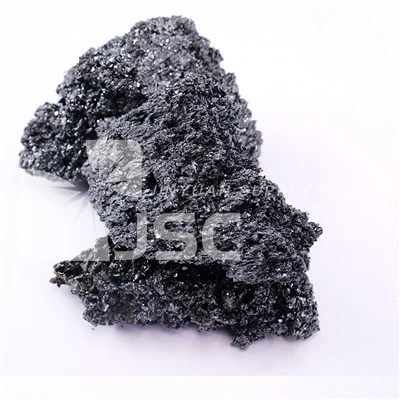
Ferro Manganese significantly increases the tensile strength of steel, making it ideal for constructing sturdy buildings, bridges, and other infrastructure projects. The toughness of steel is also improved, enabling it to withstand heavy loads and harsh environments.
Corrosion Resistance
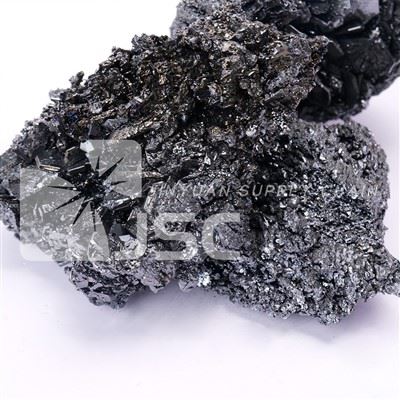
Steel infused with Ferro Manganese exhibits excellent corrosion resistance, making it ideal for applications in marine environments or structures exposed to corrosive substances.
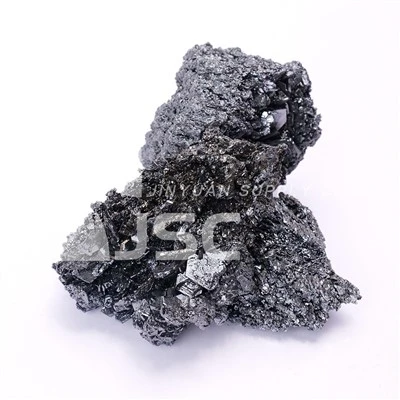
Deoxidizing Agent
Ferro Manganese serves as a powerful deoxidizing agent in steelmaking. It removes impurities such as oxygen and sulfur, enhancing the overall purity of the steel and improving its mechanical properties.

Enhanced Workability
The addition of Ferro Manganese to steel results in improved workability and weldability. This makes it easier for manufacturers to shape the steel into various forms for different applications.
Applications of Ferro Manganese
Beyond its impact on the steel industry, Ferro Manganese finds extensive use in diverse sectors due to its exceptional properties. Some of the prominent applications include:
Automotive Industry
Ferro Manganese is utilized in the automotive sector for manufacturing components that require high tensile strength and durability, such as engine parts and chassis.
Construction Industry
In the construction field, Ferro Manganese-enriched steel is employed for creating robust structures that can withstand immense pressure, ensuring safety and longevity.
Railways and Transportation
Railway tracks and transportation infrastructure rely on Ferro Manganese-infused steel for its durability and resistance to wear and tear, ensuring smooth and safe travel.
Energy Sector
The energy sector benefits from Ferro Manganese as it is used in the production of power transmission equipment and machinery, which demand high tensile strength.
Manufacturing and Machinery
Various machinery, equipment, and tools are crafted using Ferro Manganese-based steel due to its outstanding mechanical properties.
Ferro Manganese Production Process
The production of Ferro Manganese involves several critical steps, ensuring the alloy’s high quality and consistent properties. The process typically includes:
Mining and Extraction
Manganese ores are mined and then processed to extract manganese, which serves as a primary component for producing Ferro Manganese.
Smelting
The extracted manganese, along with iron ore and coke, is smelted in a blast furnace. The high temperatures in the furnace facilitate the reduction of manganese and iron oxides.
Alloying Process
The smelted Ferro Manganese undergoes an alloying process with the addition of carbon to obtain the desired manganese and iron content.
Cooling and Solidification
The molten Ferro Manganese is cooled and solidified into different forms, such as ingots or granules, ready for further industrial applications.
How to Choose the Right Ferro Manganese?
Understanding Ferro Manganese Types
Ferro manganese is available in two primary forms — high carbon ferro manganese (HCFeMn) and medium/low carbon ferro manganese (MCFeMn and LCFeMn). The type you choose depends on your steel grade and the desired final product properties.
High Carbon Ferro Manganese: Typically containing 76–80% manganese and about 7% carbon, HCFeMn is used for producing carbon and stainless steels. It’s suitable for high-strength steel with excellent wear resistance.
Assessing the Quality Parameters
Quality is crucial when selecting ferro manganese. Look for parameters such as the manganese content, carbon content, impurities (phosphorus, sulfur, and silicon), uniformity of particle size, and packing. Manganese Content: Higher manganese content generally results in increased strength and hardness. Ensure the manganese levels align with your steel grade requirements.
Supplier Reliability and Reputation
The ferro manganese supplier plays a significant role in your purchase decision. Evaluate factors such as the supplier’s reputation, production capacity, product certifications, quality assurance systems, and after-sales support.
Price Considerations
While quality should be the primary concern, price is also a significant factor in the selection process. Opt for a ferro manganese supplier that offers competitive pricing while maintaining high product quality. Moreover, consider the long-term costs associated with lower-quality ferro manganese. In such cases, lower-priced alternatives could lead to increased expenses on maintenance, product defects, and overall steel quality concerns.
Environmental Impact and Sustainability
Ethical sourcing is vital in today’s global market. Choose suppliers that consider the environmental impact of their operations and maintain a sustainable approach to ferro manganese production.
Certifications


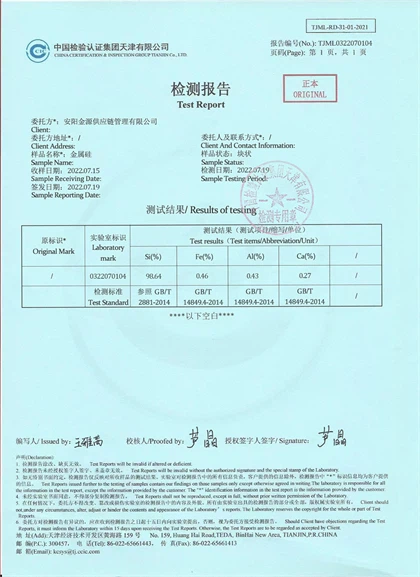
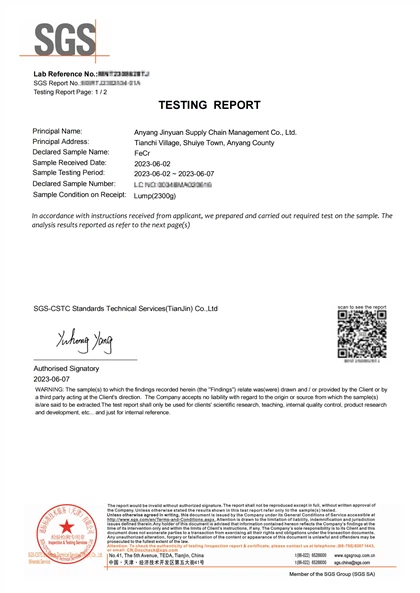
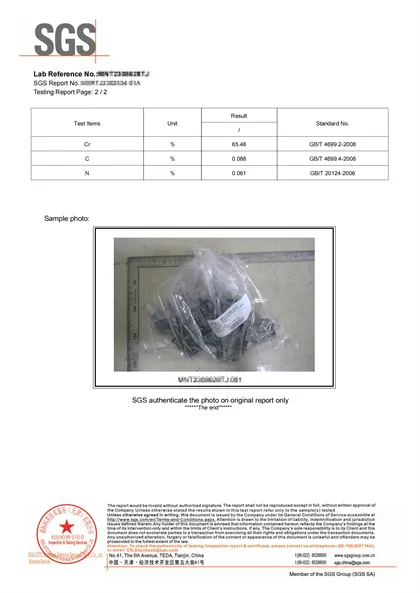

Anyang Jinyuan Supply Chain Management co., Ltd was established in 2021s. It covers an area of 30,000 square meters, with registered capital of 1,638,880 dollars, liquid capital of 6million dollars and annual sales of 16 million dollars. We are capable of researching and developing new products independently. For the past years, we have produced many new and special products for clients of steel mills and foundry industries, which satisfy our clients and help us enjoy good comments and higher praise.

Ultimate FAQ Guide to Ferro Silicon
Q: What are the uses of ferro manganese?
Q: What is the difference between ferro manganese and manganese?
Q: What type of alloy is ferromanganese?
Q: How is ferromanganese produced?
Q: What are the raw materials for ferro manganese?
Q: Which metal is made from manganese?
Q: Is iron and manganese the same thing?
Q: Is manganese better than magnesium?
Q: Why is manganese called a ferro alloy?
Q: Can you make steel without manganese?
Q: What is another name for manganese steel?
Q: What rock is manganese found in?
Q: Why is manganese so valuable?
Q: What are the four uses of manganese?
Q: Does manganese turn water black?
Q: What is the difference between ferro manganese and manganese?
Q: How is ferro manganese produced?
Q: What is the ferro manganese reaction?
Q: What is the difference between ferro manganese and manganese?
Q: Where is ferromanganese found?