

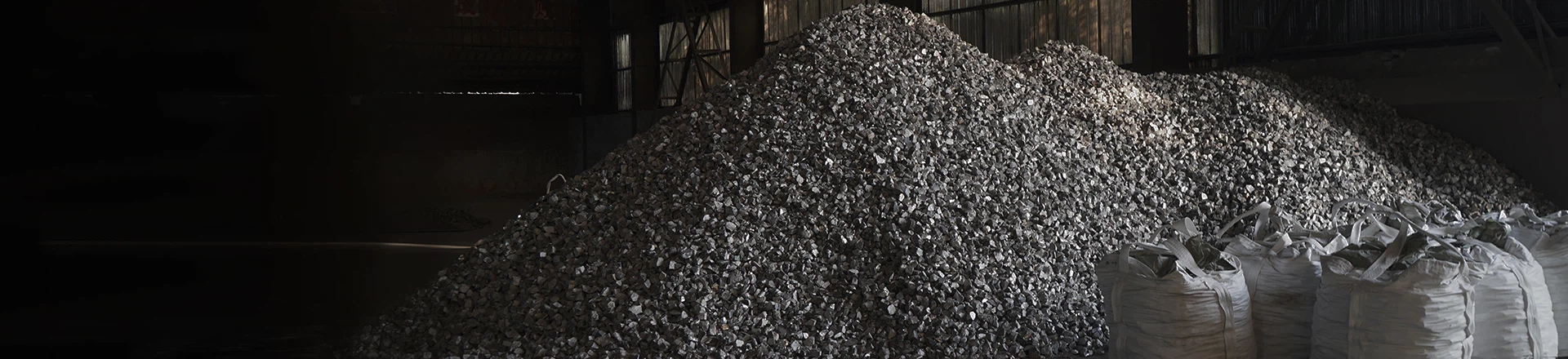
Manganese, the chemical element with the symbol Mn and atomic number 25, is a greyish-white, hard, brittle, lustrous transition metal. Pure metallic manganese is a slightly softer metal than iron, and manganese with a few impurities is hard and brittle, and oxidises when wet. Manganese is widely found in nature, with soil containing 0.25 per cent manganese and tea, wheat and hard-shelled fruits containing more manganese. Manganese exposure occurs in operations such as stone crushing, mining, welding, production of dry batteries, and the dye industry.
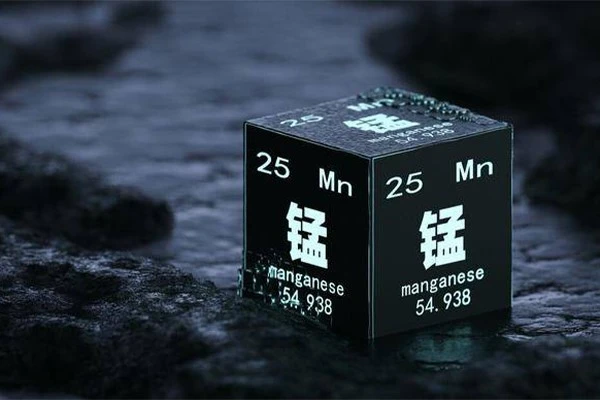
Manganese (Mn)
- In the low content range, it has a great strengthening effect on steel, increasing strength, hardness and wear resistance.
- Reduces the critical cooling rate of steel and improves the hardenability of steel.
- Slightly improve the low temperature toughness of steel.
- In the high content range, as the main austenitising element.
- Manganese has a significant effect on increasing the strength of low and medium carbon pearlite steels.
- Manganese has improved the high temperature transient strength of steels.
The main disadvantages of manganese steel
Containing manganese is higher, there are more obvious temper brittleness phenomenon; manganese has to promote the role of grain growth, so manganese steel is more sensitive to overheating t in the heat treatment process must pay attention to. This shortcoming can be used to add grain refining elements such as molybdenum, vanadium, titanium, etc. to overcome; when the manganese mass fraction of more than 1%, it will make the steel welding performance deterioration; manganese will make the steel rust and corrosion resistance performance is reduced.
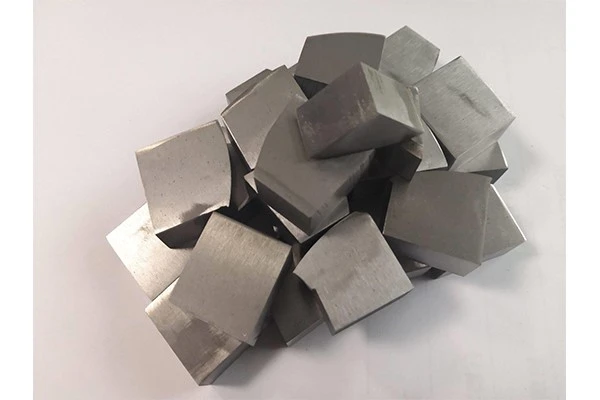
Role of manganese in metals
Manganese is an important metal element widely used in many industries. In the field of metal fabrication, Mn can play a role in enhancing the hardness and corrosion resistance of metals. Manganese also improves the physical and mechanical properties of steel and can make steel tougher and more durable. In the manufacture of aluminium alloys, manganese can play a role in regulating the composition of the alloy and improving the strength and hardness of aluminium alloys. In addition, manganese can be used in batteries, electronic components, chemicals and medical applications. In conclusion, the role of manganese in metals is not only to increase the hardness alone, but also to have an important influence on the physical and mechanical properties of the material.
Keywords: Manganese, Mn, ferromanganese, ferro silico manganese, manganese price, ferro alloys


