

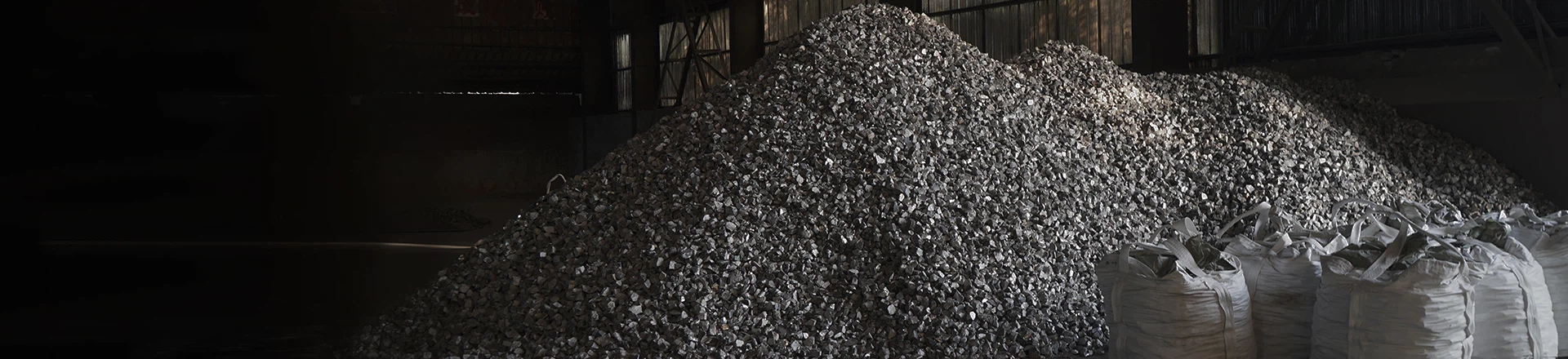
Carbon additives, also known as carbonizers, are essential in steelmaking. Their primary function is to increase the carbon content in steel, thereby enhancing its properties and significantly reducing production costs. By using carbon additives, steel manufacturers can reduce the consumption of iron ore, increase the utilization of scrap steel and iron, and conserve non-renewable resources. In other words, carbon additives not only boost the carbon content in steel but also lower the sulfur content, making them a versatile and crucial additive.
Types and Applications of Carbon Additives
Carbon additives are mainly classified into carbon additives for steelmaking and carbon additives for cast iron (according to the People's Republic of China ferrous metallurgy industry standard, YB/T 192-2001). They are also used in other applications, such as brake pads, where they serve as friction materials.
Carbon Additives for Steelmaking
- Standard: Complies with YB/T 192-2001 standard.
- Function: Increases the carbon content in steel, improves steel properties, and reduces impurities.
Carbon Additives for Cast Iron
- Characteristics: Used in synthetic cast iron to improve the quality and performance of castings.


Types of Carbon Additives and Their Characteristics
Many foundries in China use carbon additives for synthetic cast iron, but there is currently no standard for using carbon additives in foundries. Here are some common types of carbon additives and their nitrogen content:
1. Coal Based Carbon Additives
- Nitrogen Content: Varies with coal quality, generally between 0.2-0.7% (2000-7000 PPM).
- Characteristics: Relatively low cost but higher nitrogen content and impurities.
2. Ordinary Calcined Petroleum Coke Carbon Additives
- Nitrogen Content: Around 1000 PPM.
- Sulfur Content: High.
Characteristics: Not high-temperature calcined, lower quality, cannot leave clear marks on white paper.
3. High-Temperature Calcined Petroleum Coke Carbon Additives
- Nitrogen Content: 300-500 PPM.
- Sulfur Content: Lower.
- Characteristics: High-temperature calcined, can leave clear marks on white paper.
4. Low Sulfur and Low Nitrogen High-Temperature Calcined Petroleum Coke Carbon Additives
- Nitrogen Content: 100 PPM.
- Sulfur Content: Very low.
- Characteristics: Best quality, can leave clear marks on white paper, comfortable to touch, similar to a 6B pencil.
Criteria for Choosing Carbon Additives in Steel Plants
When choosing carbon additives, steel plants consider the following factors:
- Carbon Content: High carbon content is more effective in increasing the carbon content in molten steel.
- Impurity Content: Low impurities (especially sulfur and phosphorus) are crucial for steel quality.
- Cost-Effectiveness: Selecting cost-effective carbon additives that meet technical requirements.
- Reaction Performance: The dissolution and reaction speed of carbon additives in molten steel.
- Supply Stability: The supply capacity and stability of carbon additives to ensure continuous production.
By considering these factors, steel plants can select the most suitable carbon additives to ensure the production of high-quality steel.


