

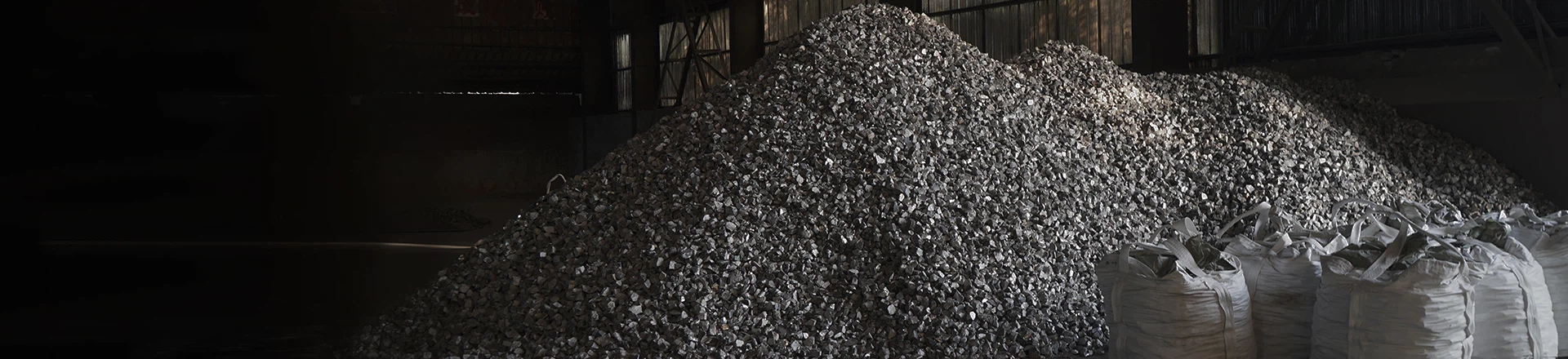
Petroleum coke, also known as pet coke, is a byproduct of the oil refining process. It has a high calorific value and low ash content, making it an ideal fuel for industries such as cement production. The cement industry is known to be energy-intensive, and the industry is increasingly using pet coke to efficiently meet its energy needs. Here are some uses of pet coke in the cement industry:

1. Energy:
Pet coke is an alternative fuel source for cement kilns. Cement manufacturing involves heating limestone, clay, and other raw materials in a kiln to temperatures in excess of 1400°C, which requires a lot of energy. Traditionally, coal has been the main fuel used in these kilns. However, pet coke has several advantages over coal in terms of calorific value and combustion efficiency.
2. Calorific value and efficiency:
Pet coke has a higher calorific value than coal, meaning it produces more heat per unit weight when burned. This enables cement kilns to reach higher temperatures more efficiently, aiding the calcination process that converts raw materials into clinker.
3. Cost-effectiveness:
While petroleum coke prices vary depending on market conditions and location, pet coke is generally more competitively priced than coal. The higher energy content of pet coke means that less petroleum coke is needed to produce the same amount of heat as coal, resulting in cost savings for cement manufacturers.
4. Reduced emissions:
Pet cokee generally has a lower sulfur content than coal, so it reduces sulfur dioxide emissions when used in cement kilns. This is very beneficial in areas with strict emission regulations because it helps cement plants comply with environmental standards.
5. Challenges and considerations:
While pet coke has many advantages in the cement industry, its use also presents many challenges. One of the main issues is that pet coke emits particulate matter and other pollutants, which have potential impacts on air quality. Cement manufacturers must implement appropriate emission control technologies and comply with regulatory limits to mitigate these environmental impacts.
6. Global usage trends:
The use of pet coke in cement production has grown significantly in recent years due to its energy efficiency and cost advantages. Many cement plants around the world have invested in infrastructure to handle and burn pet coke alongside traditional fuels such as coal and alternative fuels such as biomass.
Conclusion:
Pet coke plays a vital role in the cement industry as an alternative fuel that can improve energy efficiency, reduce costs and help meet environmental regulations. As global cement production continues to grow, demand for petroleum coke is expected to remain strong, prompting continued research and innovation in its use to ensure sustainable and efficient cement manufacturing processes.
In summary, the use of petroleum coke in the cement industry reflects the synergy between an energy-intensive industry and a by-product of industrial processes, highlighting the industry's commitment to sustainability and efficiency in energy use.


