

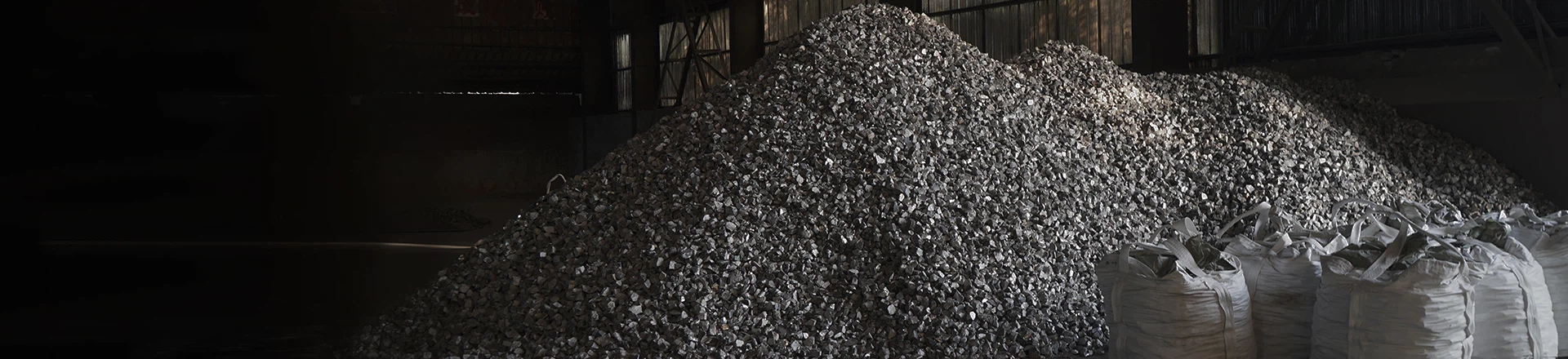
Silicon metal smelting is an important industrial production process, and this process can have pollution problems. Therefore, manufacturers of silicon metal should implement strict pollution control measures to reduce pollutant emissions and protect the environment.
Problems
Exhaust gas pollution
The smelting process of silicon metal produces a large amount of exhaust gases, including sulfur dioxide, nitrogen oxides, dust and so on. These exhaust gases, if discharged directly without treatment, will have a serious impact on the atmospheric environment, leading to acid rain, haze and other environmental problems.
Wastewater Pollution
Wastewater produced in the smelting process contains heavy metal ions, oil, suspended solids and other pollutants. Pollutants, if discharged directly without treatment, will seriously pollute water bodies, affecting aquatic ecosystems and human drinking water safety.
Solid Waste Pollution
Solid wastes generated in the smelting process include slag and discarded refractory materials. These solid wastes occupy a large amount of land, and some of them contain heavy metals and other harmful substances, posing a potential threat to soil and groundwater.
Environmental protection measures and suggestions
Environmental Protection Technology
In the process of silicon metal smelting, the adoption of advanced environmental protection technology and equipment can effectively reduce the emission of pollutants, such as: low-sulfur fuel, high-efficiency dust collector, exhaust gas purification device.
Wastewater treatment and recycling
Establish a wastewater treatment system to treat the smelting wastewater and remove the pollutants in it. At the same time, waste water recycling is realized to reduce the consumption of fresh water resources.
Solid Waste Resource Utilization
Classify and treat solid wastes generated by smelting, and carry out resource utilization of recyclable wastes, such as slag can be used for making bricks and repairing roads. Wastes that cannot be utilized are disposed of safely to prevent harm to the environment and human health.


