

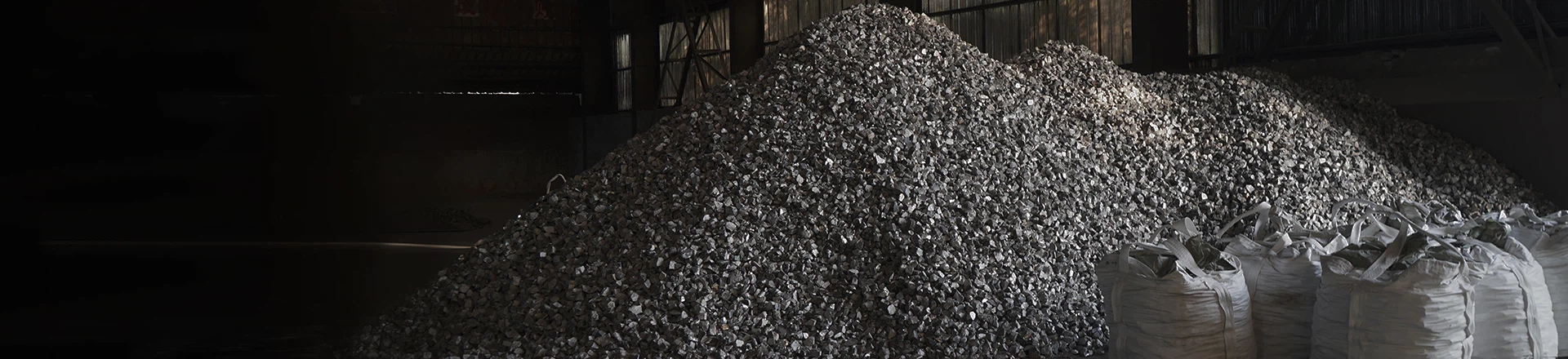
What is silicon metal?
Silicon metal is high-purity silicon produced by smelting silica and carbonaceous reductants in an electric furnace. It is the basic raw material for semiconductor, photovoltaic, silicone and other industries.
The difference between silicon metal and ferro silicon
- Silicon metal: high silicon content (98%-99.9%), very low iron content (≤ 0.5%).
- Ferro silicon: lower silicon content (45%-75%), iron is the main component.
What are the main uses of silicon metal?
- Semiconductor and electronics industry: high-purity silicon metal can be used to manufacture chips, integrated circuits, etc.
- Photovoltaic industry: Solar grade polysilicon is the core material for photovoltaic cells.
- Organic silicon: Silicon metal can be used to produce silicone products such as silicone oil, silicone rubber, silicone resin, etc.
- Aluminium alloy additives: Silicon metal helps to improve the strength, heat resistance and fluidity of aluminium.
- Refractory materials: Silicon metal can also be used to manufacture high-temperature materials such as silicon carbide and silicon nitride.
How are grades of silicon metal classified?
According to national standards, silicon metal is divided into different grades according to silicon content and impurity (iron, aluminium and calcium) content:
- Chemical grade: such as Si 553 (silicon ≥ 98.5%, iron ≤ 0.5%, aluminium ≤ 0.5%, calcium ≤ 0.3%).
- Metallurgical grade: such as Si 441 (silicon ≥ 99%, iron ≤ 0.4%, aluminium ≤ 0.4%, calcium ≤ 0.1%).
- Photovoltaic grade: purity of 6N (99.9999%) or more, used in solar cells.
How to test the quality of silicon metal?
- Chemical composition: Detect the content of different elements in silicon metal.
- Physical form: Look at the appearance of silicon metal, such as particle size distribution and surface cleanliness (no oxide layer or inclusions).
- Application properties: electrical conductivity (semiconductor grade), melt flowability (for casting), etc.
What are the precautions for the transport and storage of silicon metal?
- Moisture-proof and water-proof: After smelting, silicon metal needs to be sealed and packed to avoid moisture and oxidation.
- Fire and explosion-proof: Silicon metal dust may explode when it meets open fire, so the storage environment should be ventilated and fire-proof.
- Classification and storage: Different grades and particle sizes should be stored separately to prevent mixing.


