

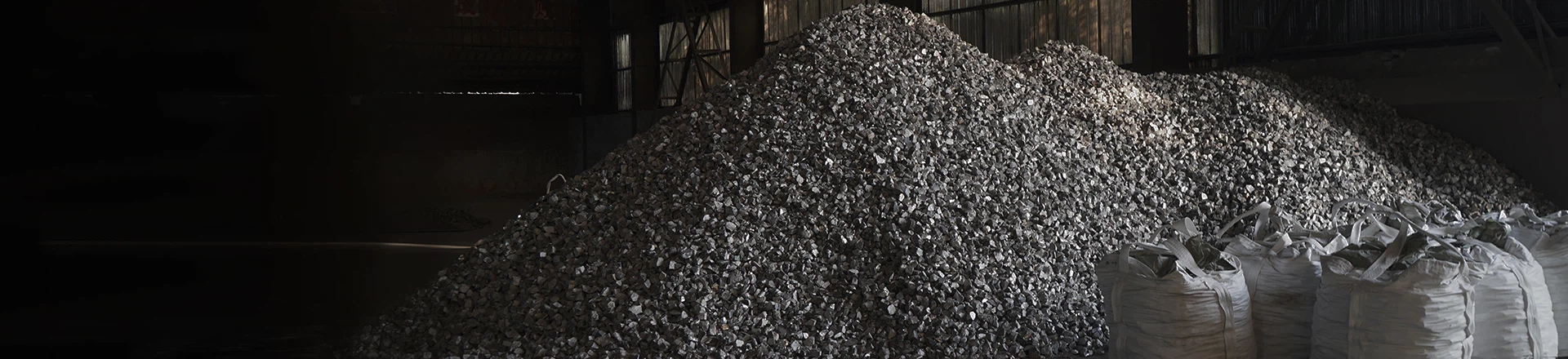
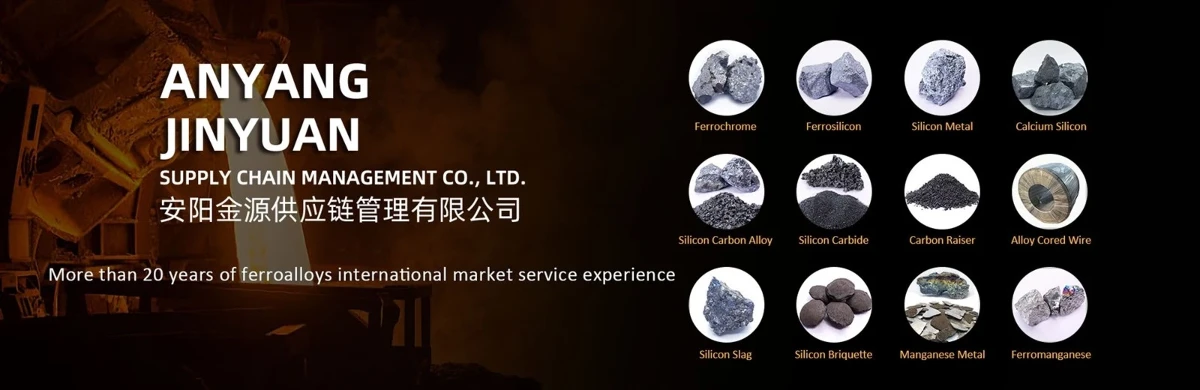
Ferroalloy are materials composed of iron combined with one or more metallic or non-metallic elements. These alloys are not typically used as direct metal materials but serve as intermediate raw materials in steel production and the foundry industry, mainly as deoxidizers, reducing agents, and alloying additives.
Here are the main applications of ferroalloy:
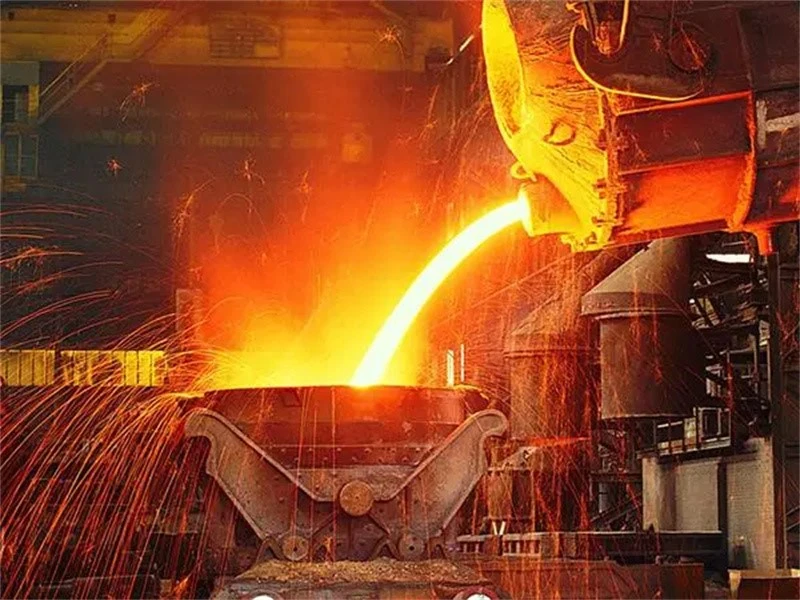
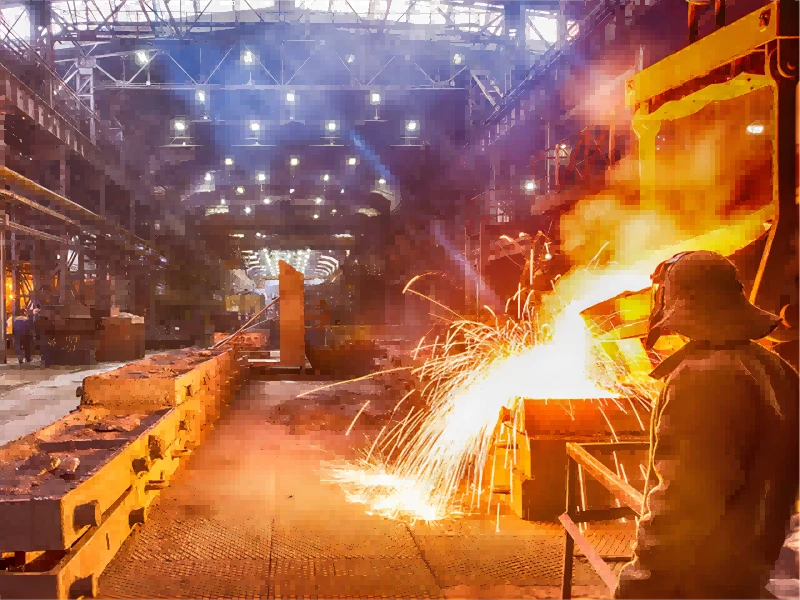
- Deoxidizers: During the steelmaking process, oxygen is blown into the molten iron or oxidizing agents are added to decarburize and remove harmful impurities such as phosphorus and sulfur. While this process turns pig iron into steel, it increases the oxygen content in the steel melt, usually in the form of FeO. If the excess oxygen is not removed, it can prevent the casting of high-quality steel billets and affect the mechanical properties of the steel. To remove the oxygen, elements with a stronger affinity for oxygen than iron are added. These elements form oxides that can be easily separated from the steel melt as slag. This process is called deoxidation, and the elements or alloys used for this purpose are called deoxidizers. Common deoxidizers include ferroalloy composed of silicon, manganese, aluminum, and calcium.
- Alloying Agents: Alloying elements not only reduce impurities in steel but also adjust its chemical composition to achieve desired properties. Elements or alloys used to modify the chemical composition of steel are known as alloying agents. Common alloying elements include silicon, manganese, chromium, molybdenum, vanadium, titanium, tungsten, cobalt, boron, and niobium. Different combinations and concentrations of these alloying elements impart various characteristics and uses to the steel.
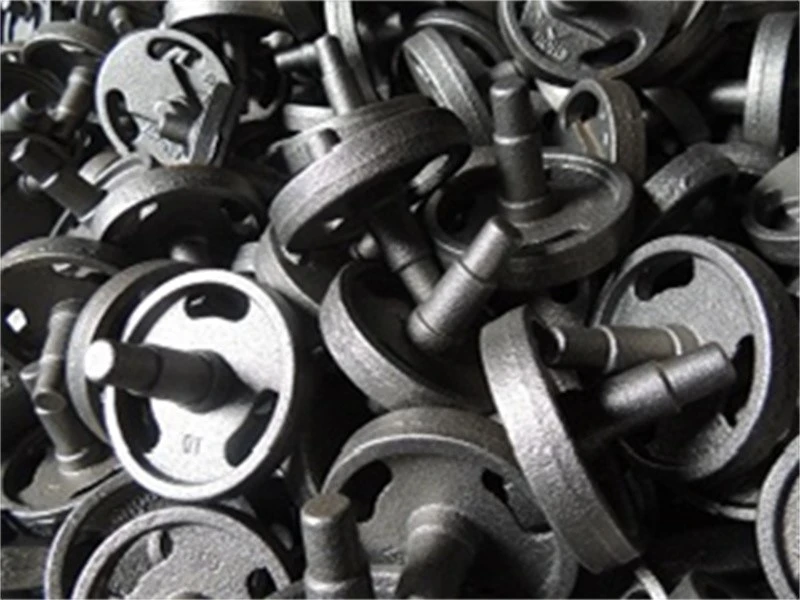
- Casting Nucleation Agents: One way to improve the performance of cast iron and cast steel is to alter the solidification conditions of the castings. By adding specific ferroalloy before pouring, nucleation centers are formed, leading to finer and more dispersed graphite structures. This grain refinement enhances the mechanical properties of the castings.
- Reducing Agents: Ferrosilicon can be used as a reducing agent in the production of other ferroalloy such as ferro-molybdenum and ferro-vanadium. Similarly, silicon chrome and silicomanganese alloys can be used as reducing agents to refine medium and low carbon ferro chrome and ferromanganese.
- Other Uses: In non-ferrous metallurgy and the chemical industry, ferrous alloys have increasingly diverse applications. For instance, medium and low carbon ferromanganese is used in the production of welding rods; silicon-aluminum alloys are used to produce silicon-aluminum intermediate alloys; and ferro chrome is used to manufacture chromium compounds and anode materials for chrome plating. Certain ferroalloy are also used to produce high-temperature resistant materials.
In summary, ferroalloy are versatile materials that play an indispensable role in industrial production. Their wide range of types and applications significantly contribute to the advancement of the steelmaking industry casting industry and other industrial sectors.


