

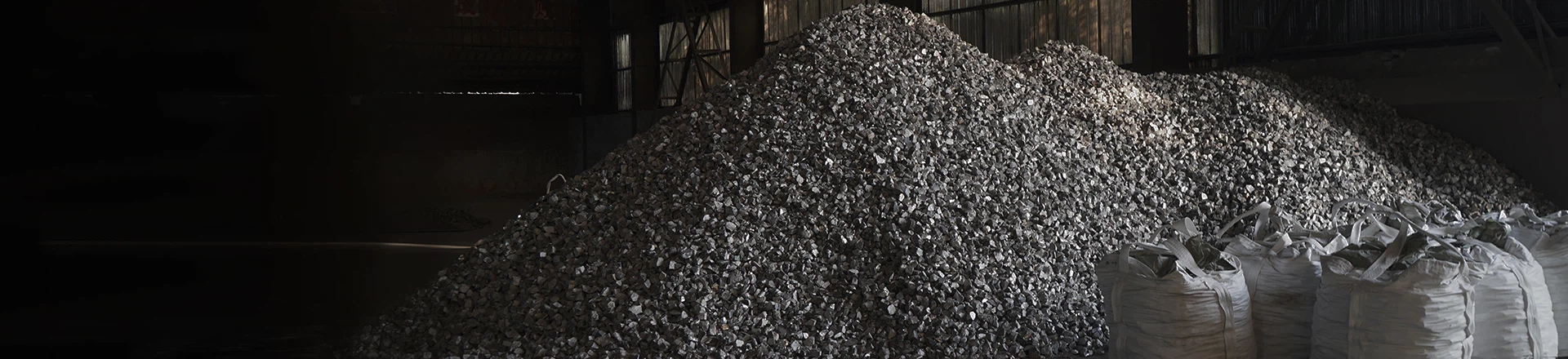
Ferro alloy, commonly known as ferroalloys, are crucial alloy materials that play a vital role in steel production and the casting industry. These alloys are formed by combining iron with other metallic or non-metallic elements, resulting in a diverse range of types and classifications.
Firstly, ferro alloy can be categorized based on their primary components. Examples include ferro silicon, ferromanganese, ferro chrome, ferrovanadium, ferrotitanium, ferrotungsten, and ferromolybdenum. Each type of ferroalloy possesses unique chemical compositions and physical properties, making them suitable for various industrial applications.
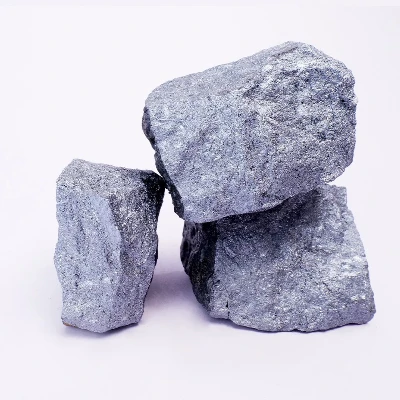
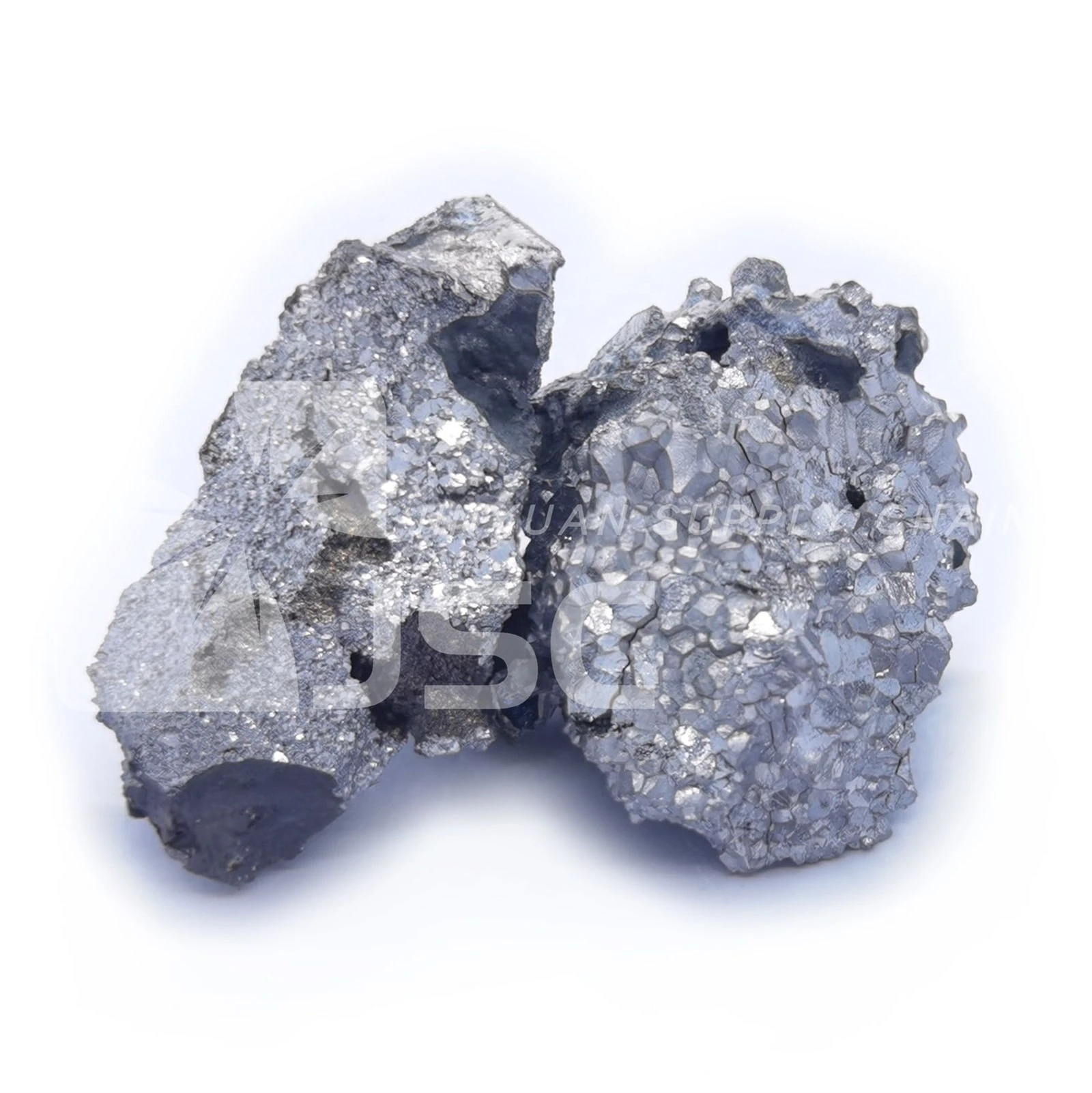
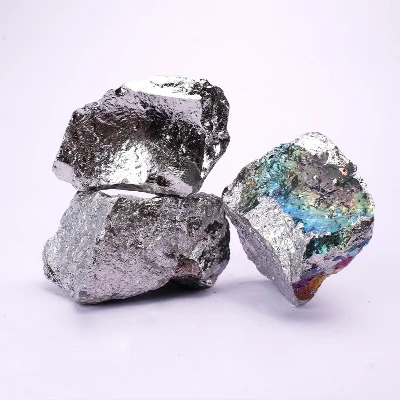
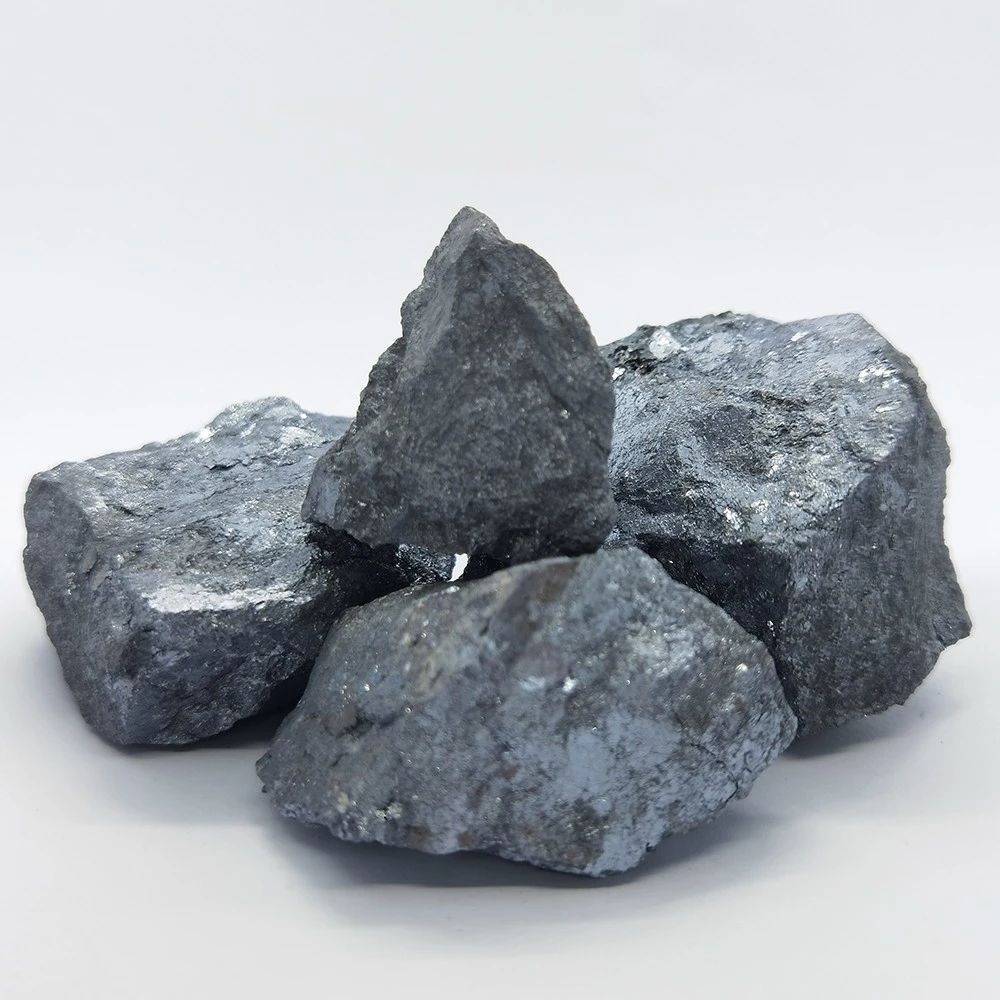
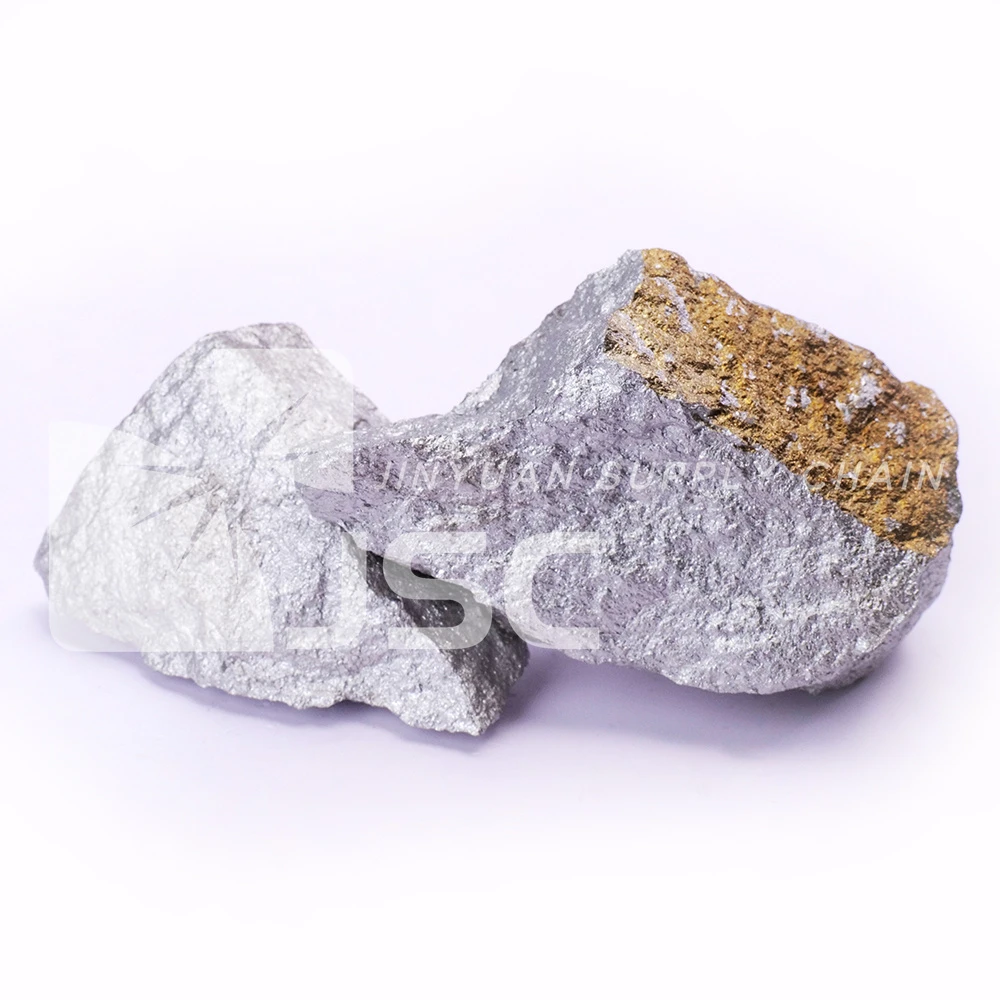
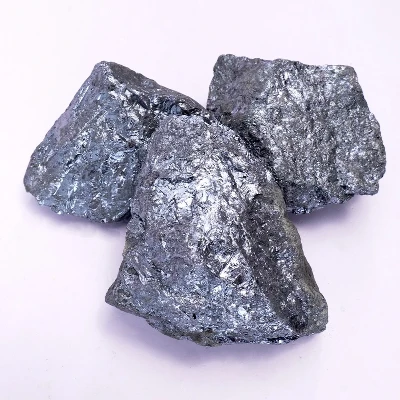
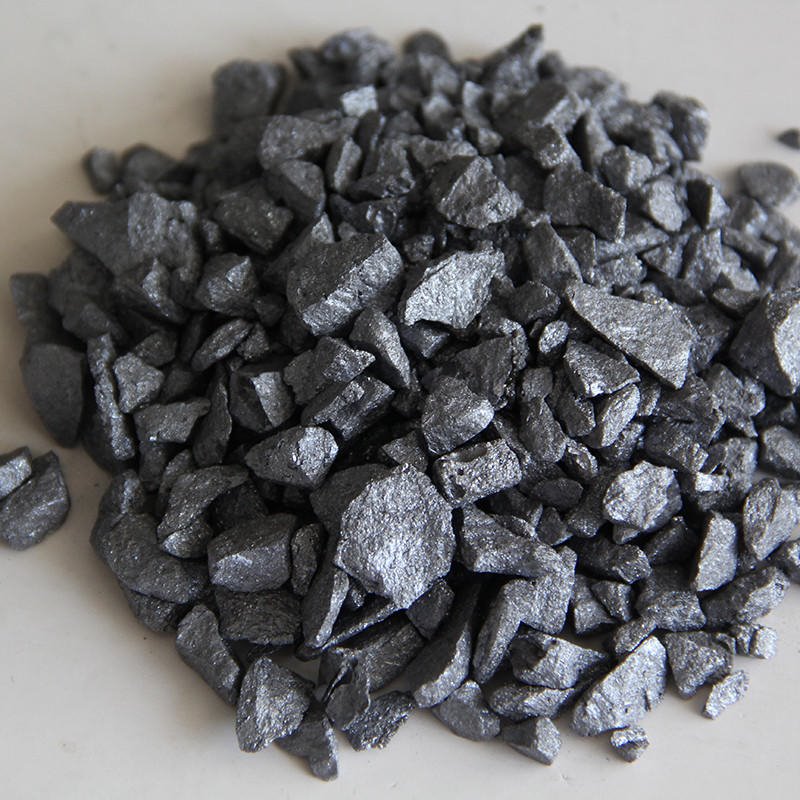
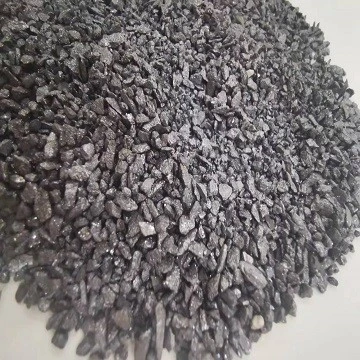
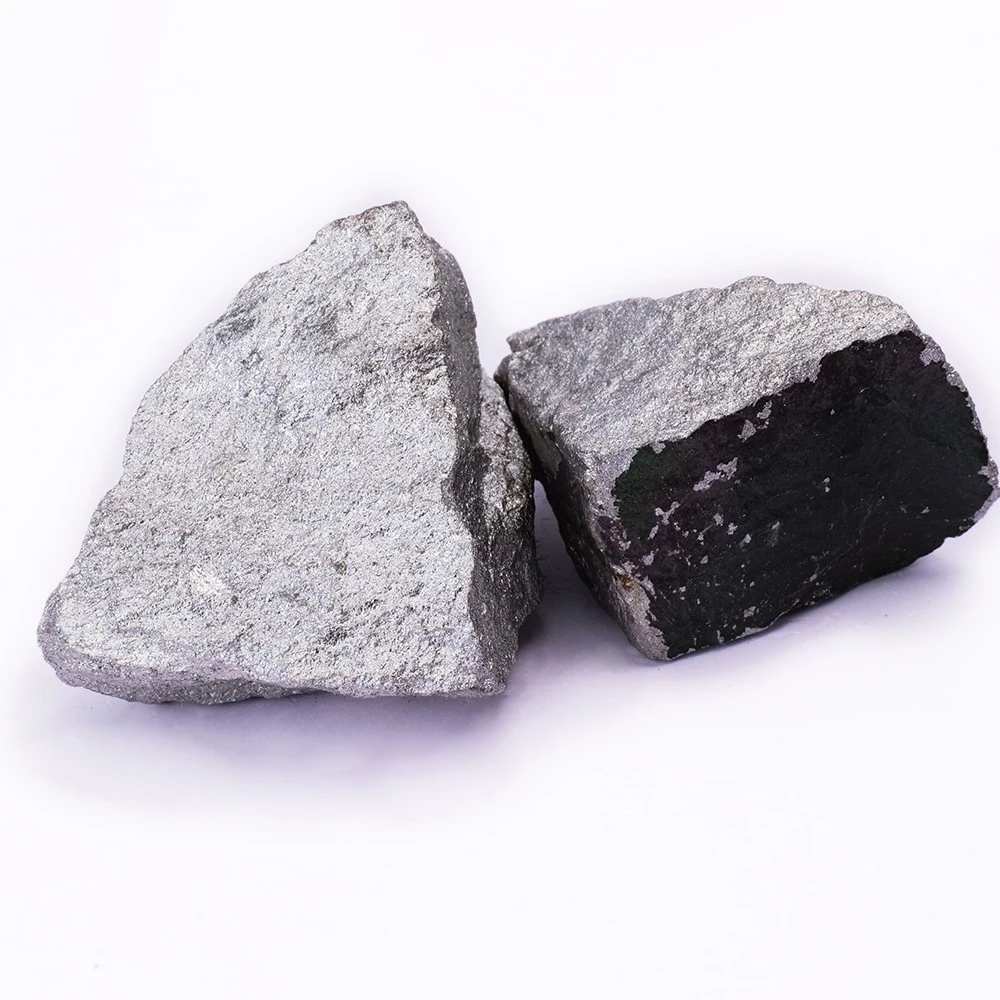
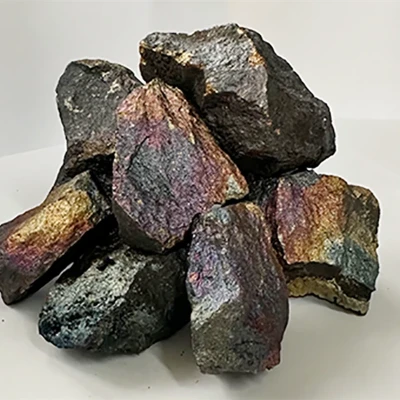
Secondly, ferro alloy can also be classified based on their carbon content, encompassing high-carbon, medium-carbon, low-carbon, micro-carbon, and ultra-micro-carbon varieties. Different carbon contents endow ferro alloy with distinct uses and characteristics in steel production.
Additionally, ferroalloys are classified according to their production methods, which include blast furnace ferroalloys, electric furnace ferroalloys, metallothermic process ferroalloys, vacuum solid-state reduction ferroalloys, converter ferroalloys, and electrolytic ferroalloys. Each production method features unique processes and application scopes.
In steel production, ferro alloy primarily serve as deoxidizers and alloying agents. As deoxidizers, they remove oxygen and other harmful impurities from steel, ensuring the quality of the final product. As alloying agents, ferroalloys reduce impurities in steel and adjust its chemical composition to meet various industrial requirements.


In the casting industry, ferroalloy also play a critical role. They are used as inoculants to enhance the performance of cast iron and cast steel by refining the grain structure, thereby increasing the strength and toughness of castings. Additionally, ferroalloy act as alloy additives in casting materials, allowing for the adjustment of their chemical compositions and improvement of their properties.
Beyond their applications in steel and casting industries, ferroalloy are significant in other fields. In non-ferrous metallurgy and the chemical industry, ferro alloy are widely utilized. For example, medium- and low-carbon ferromanganese are essential for producing welding electrodes, while special ferro alloy are indispensable for manufacturing high-temperature resistant materials.
In summary, ferroalloy are versatile materials that play an irreplaceable role in industrial production. Their wide range of types and applications significantly contributes to the development and advancement of the steel industry and other industrial sectors.


