

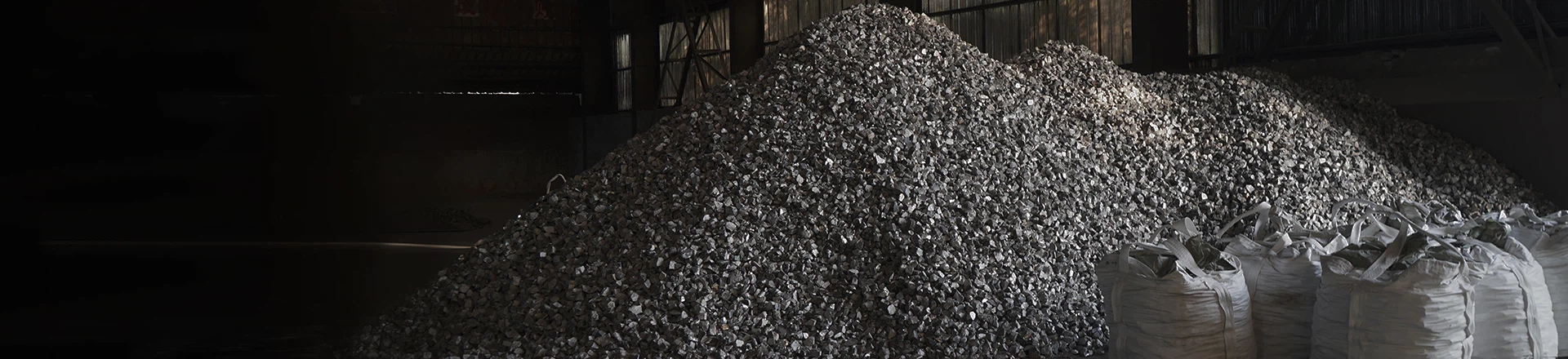

Graphite and carbon materials share many similarities, often causing confusion between the two. Carbon, graphite, and diamond are the three common allotropes of the element carbon. Diamond, composed of carbon atoms, is renowned as the hardest natural material and a highly valued gemstone. Synthetic diamonds, first produced in the 1950s using graphite as the raw material under high temperature and pressure, have since found extensive applications in various industries.
Graphite, a non-metal material, exists in both natural and synthetic forms, with synthetic graphite being more commonly used in industry. Synthetic graphite is produced by further processing amorphous carbon materials, enhancing the purity and mechanical properties such as bending and compressive strength.
Carbon products, widely used in industry, generally have higher purity and performance if they contain more graphite crystalline structure. Thus, many carbon products are also referred to as graphite products.
Key Differences Between Graphite and Carbon
1. Characteristics:
- Graphite: At room temperature, graphite exhibits stable chemical properties, being insoluble in water, dilute acids, dilute alkalis, and organic solvents. It reacts with oxygen at high temperatures to produce carbon dioxide or carbon monoxide. Graphite can only react with fluorine among the halogens and is easily oxidized by acids when heated. Additionally, graphite can react with many metals at high temperatures to form metal carbides. Recent studies have shown that graphite can dissolve in chlorosulfonic acid, forming a "solution" of single-layer graphene.
- Carbon: Carbon materials are characterized by their lightweight, porous structure, electrical conductivity, thermal conductivity, corrosion resistance, lubricity, high-temperature strength, thermal stability, thermal shock resistance, low thermal expansion, low elasticity, high purity, and machinability.
2. Properties:
- Graphite: Graphite is an allotrope of carbon where each carbon atom is bonded to three other carbon atoms in a hexagonal arrangement via covalent bonds, forming a covalent molecular structure. This configuration grants graphite its distinctive properties, including its lubricity and thermal and electrical conductivity.
Understanding these differences helps in correctly identifying and utilizing graphite and carbon materials for various industrial applications.


