

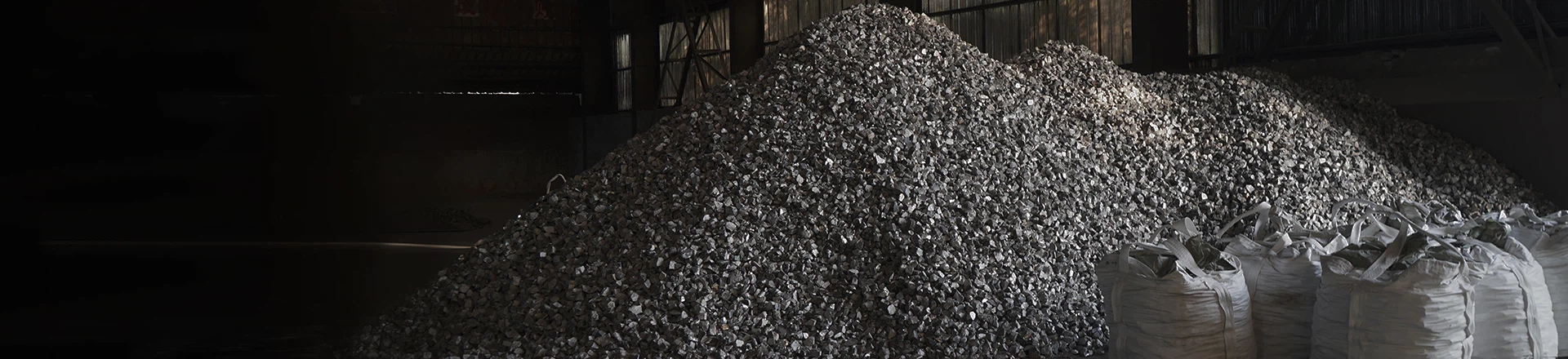
Ferroalloys are crucial raw materials for the steelmaking and mechanical casting industries. Ferroalloy prices are influenced by a range of factors, including raw material supply, downstream demand, electricity costs, regional production conditions, transportation costs, and national policies.
Supply of Upstream Mineral Resources:
Silica, a low-cost input, constitutes about 2% of the cost of ferrosilicon, thus having minimal impact on its price. In contrast, manganese ore accounts for approximately 60% of the cost of silicomanganese, significantly affecting its price. Since 2003, the rapid development of China's steel industry has driven demand for manganese alloys, leading to a surge in manganese ore imports. Currently, China's manganese ore imports constitute about one-third of the total demand, making international manganese ore price fluctuations highly influential on domestic silicomanganese prices.
Demand from the Downstream Industry:


Steel production, being the direct downstream industry of ferroalloys, directly influences ferroalloy prices. The prosperity of the steel industry determines the price trends of ferroalloys.
Electricity Price Fluctuations:
Ferroalloy production is highly energy-intensive, with electricity constituting a significant portion of its costs. As global energy consumption and shortages increase, the impact of electricity costs on the ferroalloy industry will grow. Consequently, ferroalloy prices will fluctuate with changes in electricity prices, mainly driven by government regulations and seasonal hydropower availability.
Production in Southern Ferroalloy Enterprises:
Southern ferroalloy companies are significantly affected by regional hydrological conditions. For instance, Yunnan experiences distinct wet and dry seasons, with the wet season from June to October and the dry season from January to April and December. To reduce electricity costs and mitigate the impact of water and power shortages during the dry season, ferroalloy companies typically increase production during the wet season when electricity supply is more abundant and cheaper.
Transportation Costs:
Ferrosilicon and silicomanganese production is concentrated in Northwest and Southwest China, while the steel industry is mainly located in North and East China. This geographical disparity results in high transportation costs for ferroalloys. Some provinces in the west can utilize rail transport, which is relatively cheaper, while road transport remains costly. For example, transporting ferrosilicon from Ningxia to Jiangsu primarily by road costs about 500 yuan per ton. Ferroalloy production companies in areas reliant on hydropower also face uneven annual production distribution, increasing transportation difficulties and costs. Additionally, cold winters in northern regions further raise transportation costs for ferroalloy enterprises.
National Policy Guidance:
To accelerate the structural adjustment of the ferroalloy industry, China has implemented various industrial policies and regulatory measures since 2004. These policies have increased environmental protection requirements for industry enterprises and expanded investment in new capacity, preventing a significant short-term increase in ferroalloy production capacity. The government supports enterprises that comply with industrial policies and have advantages in mineral resources, energy, and transportation to develop on a larger scale, thereby increasing industry concentration. Furthermore, policies affecting the upstream and downstream sectors of ferroalloys, such as mining, electricity, and steel, also directly influence ferroalloy prices.
Keywords: Ferro Silicon, Ferro Chrome, Ferro Manganese, Silicon Manganese, Calcium Silicon Alloy


