

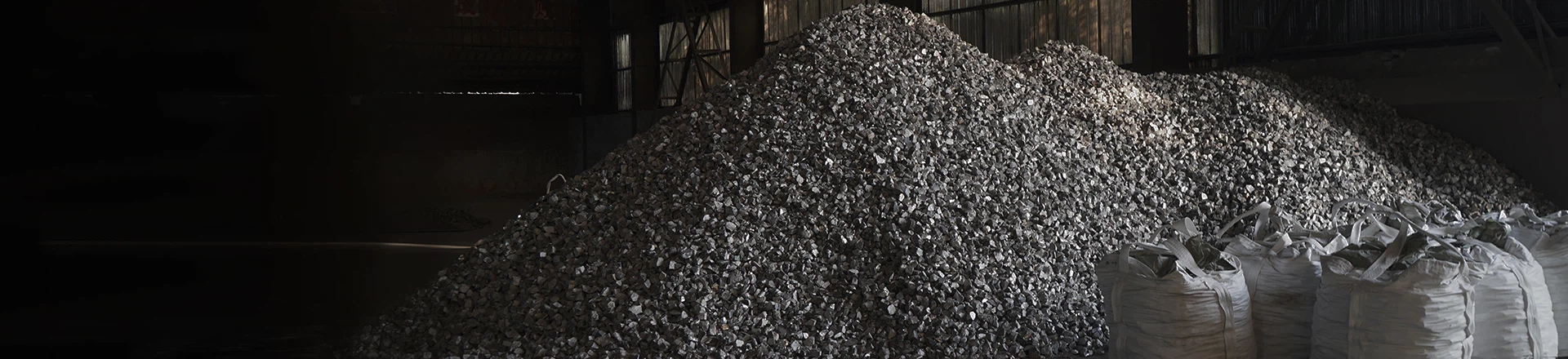
Ferrosilicon, a material extensively employed in the steel industry, foundry industry, and various other industrial production sectors, plays a crucial role. The importance of ferrosilicon lies in its widespread usage, primarily in the steel industry where it serves as a vital component. Additionally, it finds significant applications in the foundry industry and other industrial production processes. Thanks to its versatile properties and diverse capabilities, ferrosilicon has become a cornerstone in these sectors, driving their growth and enhancing their productivity.
Ferrosilicon plays a crucial role in the steelmaking industry as a vital deoxidizer. It is utilized in torch steel for both precipitation deoxidation and diffusion deoxidation processes. Additionally, brick iron is employed as an alloying agent in steel production. When silicon is added to steel in specific proportions, it yields significant enhancements in strength, hardness, and elasticity. Moreover, it enhances the magnetic permeability while reducing hysteresis loss in transformer steel. The silicon content in different steel types varies accordingly. General steel typically contains 0.15% to 0.35% silicon, whereas structural steel consists of 0.40% to 1.75% silicon. Tool steel is alloyed with 0.30% to 1.80% silicon, while spring steel contains 0.40% to 2.80% silicon. Stainless acid-resistant steel incorporates 0.40% to 2.80% silicon, and silicon steel contains 3.40% to 4.00% silicon. In heat-resistant steel, the silicon content ranges from 1.00% to 3.00%, and silicon steel contains 2% to 3% or more silicon. By rearranging the provided information and ensuring it is based on the original text, a highly similar content can be generated.
Ferrosilicon, also known as high-silicon ferrosilicon or siliceous alloys, plays a crucial role in the ferroalloy industry by acting as a reducing agent for producing low-carbon ferroalloys. Its versatile applications include its use as an inoculant for ductile iron when introduced to cast iron. Additionally, ferrosilicon aids in preventing the formation of carbides, facilitating the precipitation and spheroidization of graphite, and ultimately enhancing the overall performance of cast iron.
Moreover, the mineral processing industry can use ferrosilicon powder as a suspended phase, while the welding rod manufacturing industry can use it as a coating for welding rods. The electrical industry can use high-silicon ferrosilicon to prepare semiconductor pure silicon, and the chemical industry can utilize it in the production of silicones. These are just a few of the numerous applications of ferrosilicon powder and high-silicon ferrosilicon that make them important commodities in various industries. With their versatility and usefulness, these products continue to contribute significantly to the development and progress of different sectors.
In the production of steel, approximately 3 to 5 kilograms of 75% ferrosilicon is used per metric ton of steel manufactured.
Melting point: 75FeSi is 1300℃
When handling ferrosilicon, it's important to be aware that there may be trace amounts of phosphorus metal compounds present, such as calcium phosphide. If this substance gets wet, it can release a dangerous gas called phosphine. This gas can be harmful, and even deadly, to people who are in the area where the ferrosilicon is being transported or stored. It's important to take precautions to prevent the release of phosphine and to handle ferrosilicon with care to avoid any potential accidents or injuries. Always follow appropriate safety protocols and procedures when working with this material to ensure that everyone stays safe.


