

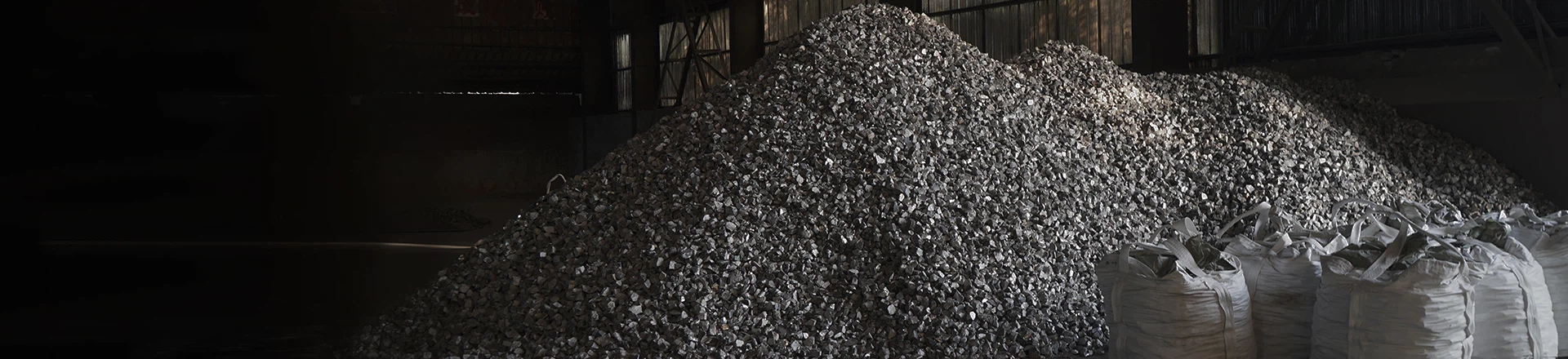


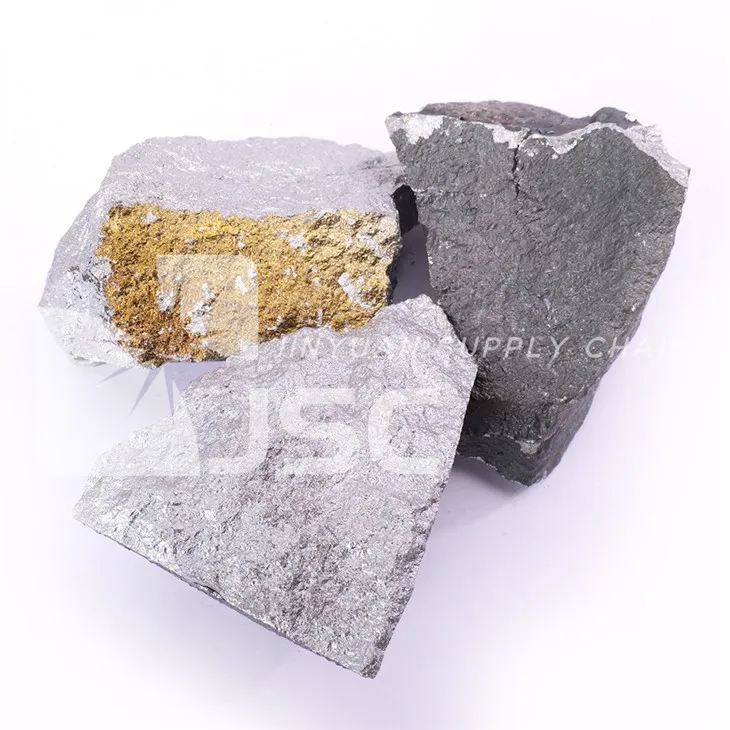
Ferro Manganese Alloy
High quality products:We adhere to the use of high-quality raw materials and adopt advanced technology and strict quality control to ensure that the supplied ferroalloy products meet international standards and customer needs.
Fast delivery:We have a strong supply chain and logistics network that can deliver products to customers in the shortest possible time and provide timely tracking services to ensure that customer needs are met.
Personalized customization:We can customize production and packaging according to the specific needs of our customers, to meet the needs of various applications and markets, and provide the best solutions for our customers.
Professional team support:We have an experienced and technically proficient team that can provide customers with comprehensive technical support and consulting services, answer various questions, and provide professional opinions.
Sincerely follow customers:We respect the needs and opinions of our customer wholeheartedly serve them, and establish long-term cooperative relationships to become a trusted supplier for our customers.
What is Ferro Manganese Alloy?
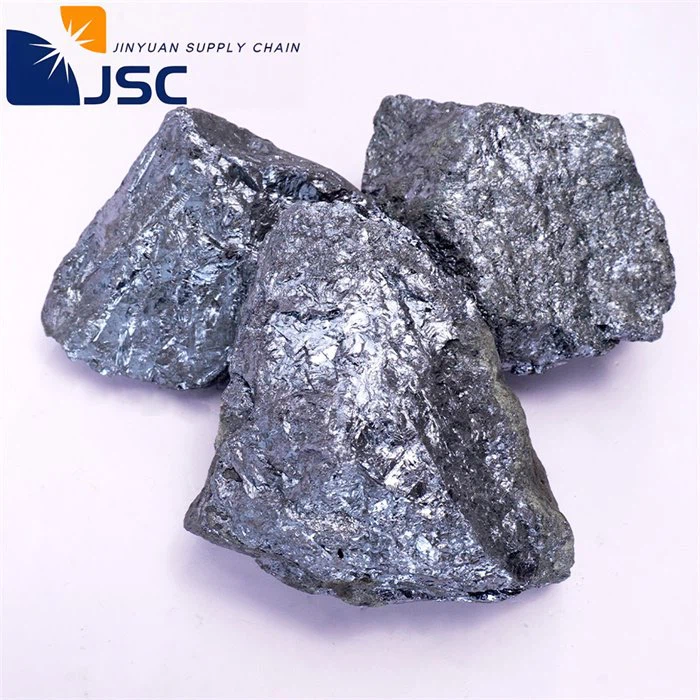
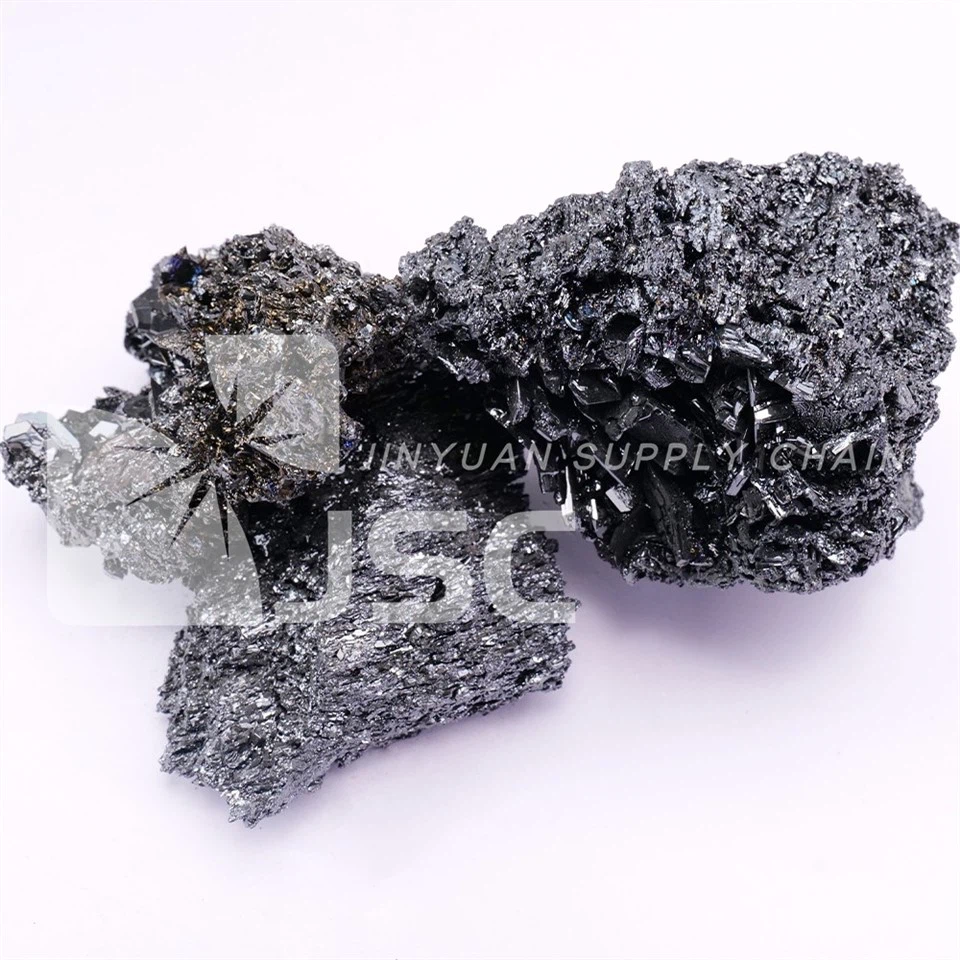
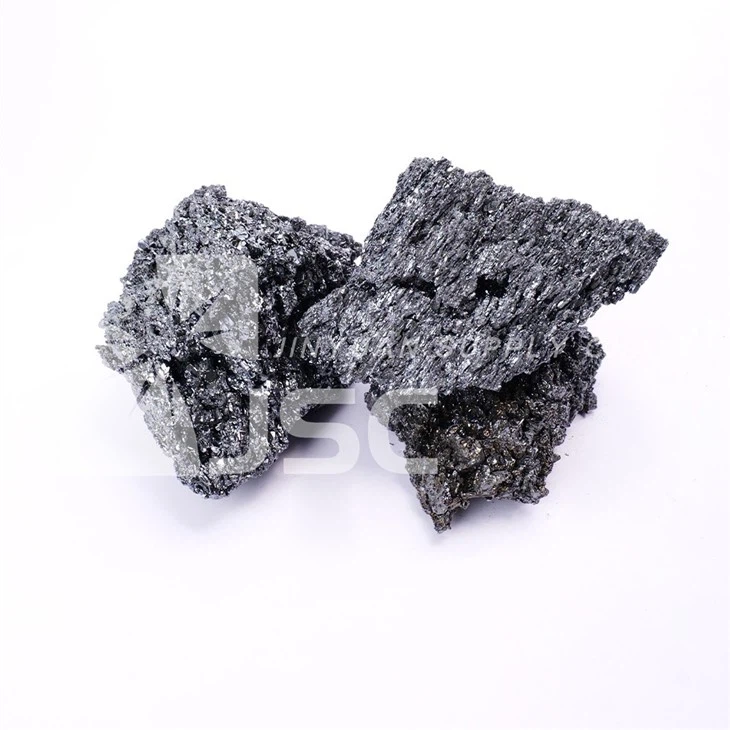
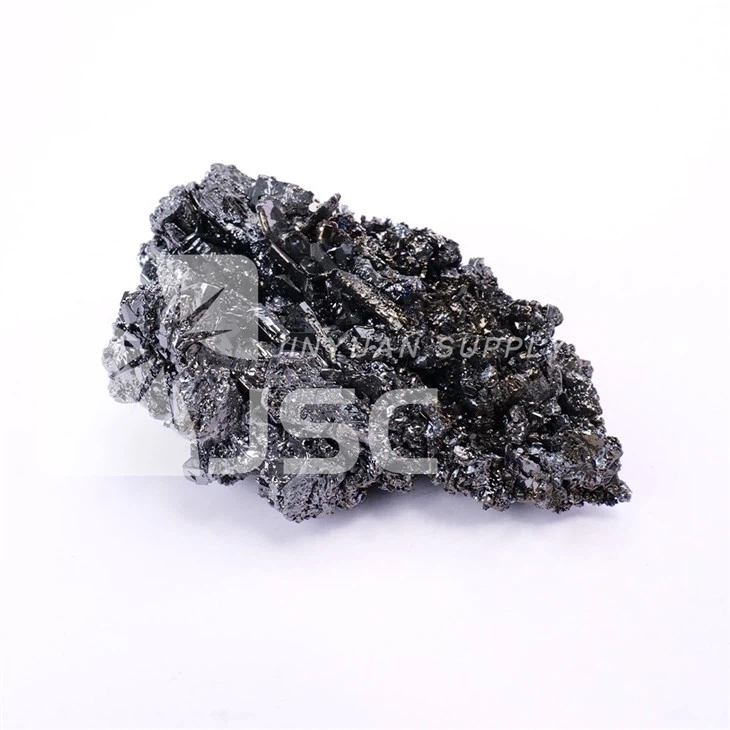
Ferro manganese alloy is an alloy material, mainly composed of iron and manganese, and may also contain small amounts of carbon, silicon, phosphorus and other elements. It has excellent properties such as high hardness, high toughness and high thermal stability, so it is widely used in steel, stainless steel, cast iron and other industrial fields. Specifically, ferromanganese can improve the hardness, strength and wear resistance of steel in steel production, while improving the toughness and ductility of steel, making the steel more suitable for processing and use. In addition, it can also be used to produce materials such as stainless steel, cast iron, and copper alloys.
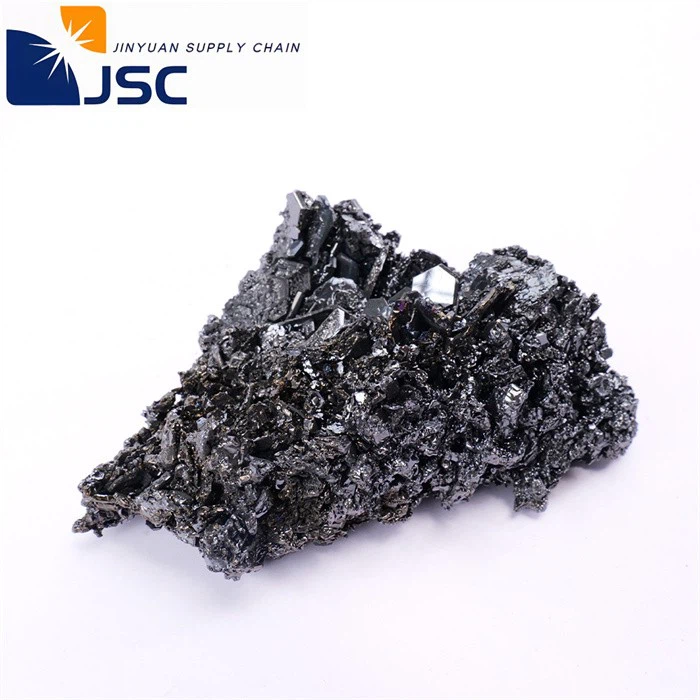



Enhanced Strength and Durability
One of the foremost advantages of incorporating ferro manganese alloy into steel production lies in its ability to significantly enhance strength and durability. By introducing manganese, which forms a solid solution with iron, the resulting alloy exhibits superior mechanical properties. This increased strength ensures that the final product can withstand heavy loads and harsh conditions, making it ideal for construction and manufacturing applications.
Improved Hardenability
It contributes to the hardenability of steel, a crucial factor in determining its suitability for various applications. The alloy achieves this by modifying the transformation of austenite into harder structures during the cooling process. The improved hardenability ensures that the steel can be effectively heat-treated to achieve desired hardness levels, making it versatile for applications where hardness is a critical parameter.
Corrosion Resistance
Corrosion resistance is a paramount consideration in material selection, especially for applications exposed to challenging environmental conditions. Femn, with its manganese content, imparts notable resistance to corrosion. This makes it an excellent choice for manufacturing components that must endure outdoor exposure, such as bridges, pipelines, and marine structures.
Deoxidizing Agent
In steelmaking, the presence of oxygen impurities can compromise the quality of the final product. Ferro manganese serves as an effective deoxidizing agent, facilitating the removal of oxygen during the steelmaking process. This not only enhances the purity of the steel but also contributes to the formation of sound welds, a crucial aspect in industries relying on welding processes.
Availability
Another noteworthy advantage of ferro manganese alloy is its cost-effectiveness and widespread availability. The primary raw materials, iron, and manganese, are abundant, ensuring a stable supply chain. This abundance translates into a cost-efficient production process, making FeMn alloy an economically viable choice for industries seeking reliable and cost-effective materials.
Alloying Element
Beyond its intrinsic benefits, ferromanganese serves as a crucial alloying element in the production of other specialized alloys. The controlled addition of ferromanganese allows manufacturers to tailor the properties of alloys according to specific requirements. This versatility makes it an indispensable component in the metallurgical toolkit, influencing the characteristics of a wide array of alloys.
Stress Reliability in Extreme Conditions
Ferromanganese contributes to the stress reliability of steel, particularly in extreme conditions. The alloy's ability to resist deformation and maintain structural integrity under high-stress conditions makes it an invaluable material for applications in aerospace, automotive, and energy sectors where components often face challenging operating conditions.
Enhanced Workability
Workability is a critical factor in the manufacturing process, and ferromanganese excels in this regard. Its composition enhances the material's machinability and formability, allowing for easier shaping and processing. This makes it an ideal choice for industries that demand intricate designs and precision in their products.
Environmental Sustainability
In an era where sustainability is paramount, Ferro manganese aligns with environmental goals. The alloy's recyclability and minimal environmental impact make it an environmentally friendly choice. As industries increasingly shift towards eco-conscious practices, it stands out as a material that not only meets performance standards but also aligns with the principles of sustainable development.
Reduced Maintenance Costs
The durability and corrosion resistance conferred by ferro manganese contribute to a reduction in maintenance costs over the lifespan of products. Structures and components manufactured with this alloy require less frequent maintenance, translating into long-term cost savings for industries ranging from infrastructure to transportation.
It is available in two primary forms - high carbon FeMn (HCFeMn) and medium/low carbon FeMn (MCFeMn and LCFeMn).
High Carbon Ferro Manganese Alloy
Typically containing 76–80% manganese and about 7% carbon, HCFeMn is used for producing carbon and stainless steels. It's suitable for high-strength steel with excellent wear resistance.
Medium/Low Carbon Ferro Manganese Alloy
MCFeMn has 0.5–1.5% carbon content, and LCFeMn contains less than 0.5% carbon. These types best suit specialty steel products that require high ductility and corrosion resistance, such as stainless steel and heavy plates.

Application of Ferro Manganese Alloy
Beyond its impact on the steel industry, Ferro Manganese alloy finds extensive use in diverse sectors due to its exceptional properties. Some of the prominent applications include:
Automotive Industry
It is utilized in the automotive sector for manufacturing components that require high tensile strength and durability, such as engine parts and chassis.
Construction Industry
In the construction field, Ferro Manganese-enriched steel is employed for creating robust structures that can withstand immense pressure, ensuring safety and longevity.
Railways and Transportation
Railway tracks and transportation infrastructure rely on Ferro Manganese-infused steel for its durability and resistance to wear and tear, ensuring smooth and safe travel.
Energy Sector
The energy sector benefits from FeMn as it is used in the production of power transmission equipment and machinery, which demand high tensile strength.
Manufacturing and Machinery
Various machinery, equipment, and tools are crafted using Ferro Manganese-based steel due to its outstanding mechanical properties.
What Are the Raw Materials of Ferro Manganese Alloy?
Manganese Ore
The primary raw material for silico manganese production is manganese ore. Manganese ore is mined from various sources, and its quality and composition significantly impact the final alloy's characteristics.
Silicon
Silicon, another essential component, is added to the mix to enhance the alloy's strength and heat resistance.
Carbon
Carbon serves as a reducing agent in the smelting process and contributes to controlling the carbon content in the final alloy.
Production Process of Ferro Manganese Alloy
The production of ferro manganese involves several critical steps, ensuring the alloy's high quality and consistent properties. The process typically includes:
Mining and Extraction
Manganese ores are mined and then processed to extract manganese, which serves as a primary component for producing Ferro Manganese.
Smelting
The extracted manganese, along with iron ore and coke, is smelted in a blast furnace. The high temperatures in the furnace facilitate the reduction of manganese and iron oxides.
Alloying Process
The smelted Ferro Manganese undergoes an alloying process with the addition of carbon to obtain the desired manganese and iron content.
Cooling and Solidification
The molten Ferro Manganese is cooled and solidified into different forms, such as ingots or granules, ready for further industrial applications.
How Does Ferro Manganese Contribute to Environmental Sustainability?
As an alloy material, ferro manganese alloy can play a role in promoting environmentally sustainable development through the following aspects:
Improve energy efficiency
Ferro manganese's high strength and wear resistance allow it to replace other materials in many industrial applications, thereby reducing energy consumption. For example, in the automotive industry, the use of ferromanganese alloys can reduce vehicle weight, improve fuel efficiency, and reduce energy consumption.
Reduce environmental pollution
In the production process of ferro manganese, by adopting advanced smelting technology and environmental protection measures, the emission of waste gas, waste water and solid waste can be reduced, and the pollution to the environment can be reduced. At the same time, the reuse and recycling of ferromanganese alloys can also reduce the waste of resources and reduce the environmental burden.
Promote circular economy
Ferro manganese, as a recyclable material, can realize resource recycling through recycling. This can not only reduce the demand for new resources, but also reduce energy consumption and environmental pollution in the production process and promote the development of a circular economy.
Promote technological innovation
In the production and application process of ferro manganese, continuous technological innovation and improvement are needed to improve its performance and quality. These technological innovations can not only promote the development of the ferromanganese industry, but also provide new solutions for other fields and promote the sustainable development of the entire society.
How to Choose the Right Ferro Manganese Alloy?
Understanding Ferro Manganese Types
Ferro manganese is available in two primary forms - high carbon ferro manganese (HCFeMn) and medium/low carbon ferro manganese (MCFeMn and LCFeMn). The type you choose depends on your steel grade and the desired final product properties.
Assessing the Quality Parameters
Quality is crucial when selecting ferro manganese. Look for parameters such as the manganese content, carbon content, impurities (phosphorus, sulfur, and silicon), uniformity of particle size, and packing.
Supplier Reliability and Reputation
The ferro manganese supplier plays a significant role in your purchase decision. Evaluate factors such as the supplier's reputation, production capacity, product certifications, quality assurance systems, and after-sales support.
Price Considerations
While quality should be the primary concern, price is also a significant factor in the selection process. Opt for a ferro manganese supplier that offers competitive pricing while maintaining high product quality.
Environmental Impact and Sustainability
Ethical sourcing is vital in today's global market. Choose suppliers that consider the environmental impact of their operations and maintain a sustainable approach to ferro manganese production.
Ferro manganese alloy is not exactly the same as regular manganese. It is an alloy material mainly composed of iron and manganese, and may contain small amounts of carbon, silicon, phosphorus and other elements. Ordinary manganese usually refers to pure manganese metal, which does not contain other alloying elements or has very low content.
Ferro manganese has excellent properties such as high strength, high hardness, high wear resistance and high thermal stability, so it is widely used in steel, stainless steel, cast iron and other industrial fields. Ordinary manganese is mainly used to make electrolytic manganese, ferro manganese alloy, metallic manganese, manganese powder and manganese salt.
In addition, it can be classified according to carbon and manganese content, such as high-carbon ferromanganese, medium-carbon ferromanganese, low-carbon ferromanganese and high-carbon ferro manganese, medium-carbon ferromanganese, low-carbon ferro manganese, etc. Ordinary manganese is not usually classified as such.
To sum up, although ferro manganese and ordinary manganese both contain manganese, there are certain differences in their composition, performance and application fields. Ferromanganese is an alloy material, while ordinary manganese is a pure metal.
How to Evaluate the Quality of Ferro Manganese Alloy?
Quality is crucial when selecting ferro manganese. Look for parameters such as the manganese content, carbon content, impurities (phosphorus, sulfur, and silicon), uniformity of particle size, and packing.
Manganese Content
Higher manganese content generally results in increased strength and hardness. Ensure the manganese levels align with your steel grade requirements.
Impurities
Excess amounts of phosphorous, sulfur, and silicon can negatively affect steel properties. Make sure the ferro manganese you choose has minimal or controlled impurities.

Carbon Content
Carbon influences steel properties such as hardness, strength, and ductility. Choose the carbon content in ferro manganese alloy based on your end product requirements.
Particle Size and Packing
Consistency in particle size distribution ensures better control in the steelmaking process. High-quality ferro manganese alloy should come in properly sealed packaging, preventing contamination.
What Is the Main Use of Ferro Manganese in Steelmaking?
The main use of ferromanganese in steelmaking is as a deoxidizer and alloy additive.
In the process of steelmaking, ferromanganese can effectively remove oxygen from steel, so as to prevent oxidation defects in the solidification process of steel and improve the quality of steel. The use of ferromanganese as a deoxidizer is relatively large, and its deoxidation effect is good, the cost is relatively low, so it has been widely used in the steelmaking industry.
In addition, ferromanganese can also be used as an alloy additive to increase the hardness and strength of steel. Manganese can improve the hardenability of steel, making it obtain higher hardness and better wear resistance after quenching. At the same time, ferromanganese can also improve the toughness and ductility of steel, making it more suitable for certain specific applications.
Therefore, ferromanganese plays an important role in the steelmaking industry and is one of the indispensable alloy materials in steel production.
What Is the Future Outlook for the Ferro Manganese Industry?
The future prospects of the ferro manganese industry may be affected by multiple factors, including global and regional economic environment, technological progress, policy changes, market demand and competition landscape. The following is an analysis of some possible trends and factors for the future prospects of the ferromanganese industry:
Ferromanganese, as an important alloy material, is widely used in steel, stainless steel, cast iron and other industrial fields. With the development of the global economy and the continuous advancement of infrastructure construction, the demand for high-performance alloy materials is likely to continue to grow, thus promoting the development of the ferromanganese industry.
Technological innovation in the ferromanganese industry may help improve product quality, reduce costs, and expand application areas. For example, by improving the smelting process, optimizing alloy formulas, and developing new ferromanganese materials, the performance and competitiveness of ferromanganese can be improved to meet market demand.
With the increase in global environmental awareness, the ferromanganese industry needs to pay attention to environmental protection and sustainable development issues. By adopting environmentally friendly technologies, reducing energy consumption and reducing waste emissions, production costs can be reduced and resource utilization efficiency improved, while also helping to enhance corporate image and market competitiveness.
The competitive landscape of the ferromanganese industry may be affected by various factors such as market supply and demand, policy changes, and technological progress. On the one hand, with the growth of market demand and technological advancement, new competitors may enter the market, intensifying competition; on the other hand, advantageous enterprises may improve their competitiveness and occupy a larger market share through technological innovation, scale expansion, etc.
Certifications


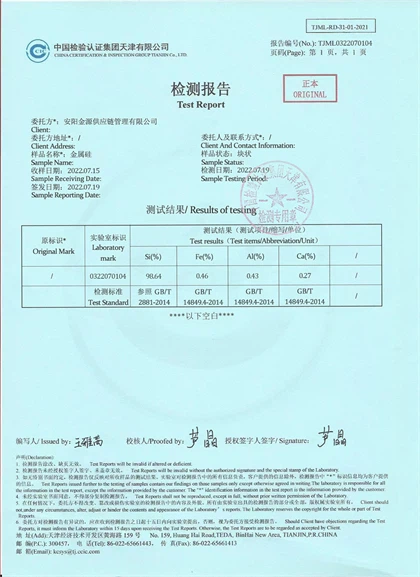
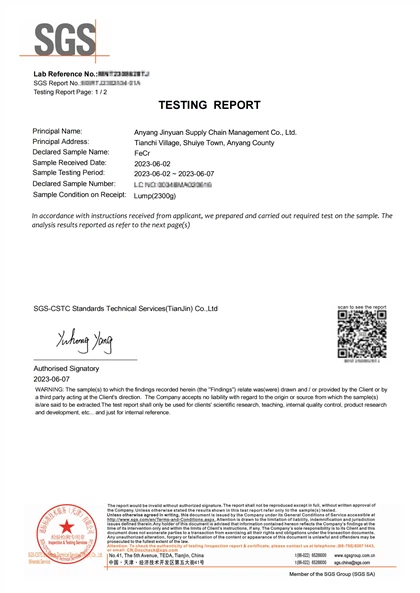
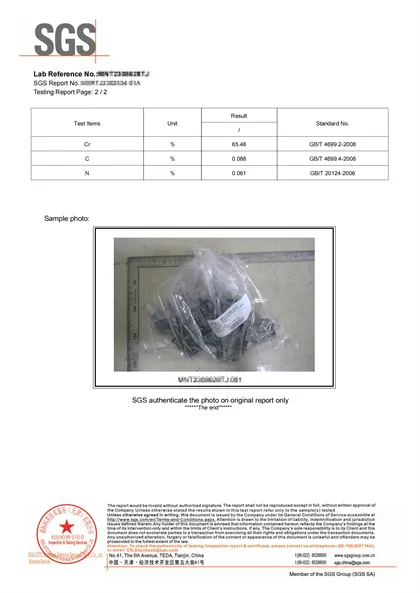

Anyang Jinyuan Supply Chain Management co., Ltd was established in 2021s. It covers an area of 30,000 square meters, with registered capital of 1,638,880 dollars, liquid capital of 6million dollars and annual sales of 16 million dollars. We are capable of researching and developing new products independently. For the past years, we have produced many new and special products for clients of steel mills and foundry industries, which satisfy our clients and help us enjoy good comments and higher praise.

FAQ
Q: What are the uses of ferro manganese?
Q: What is the difference between ferro manganese and manganese?
Q: What type of alloy is ferromanganese?
Q: How is ferromanganese produced?
Q: Is iron and manganese the same thing?
Q: Is manganese better than magnesium?
Q: Why is manganese called a ferro alloy?
Q: What are the raw materials for ferro manganese?
Q: Where is ferromanganese found?
Q: What is the difference between ferro manganese and manganese?
Q: What industry is ferro manganese used in?
Q: What are the metal balls at the bottom of the ocean?
Q: Why is manganese so valuable?
Q: Is manganese mining bad for the environment?
Q: Is manganese mining bad for the environment?
Q: Where is ferro manganese used?
Q: What is the difference between ferro manganese and manganese?
Q: What are the raw materials for ferro manganese?
Q: Is iron and manganese the same thing?
Q: What is the difference between ferro manganese and manganese?
Hot Tags: Ferro Manganese Alloy, China Ferro Manganese Alloy manufacturers, suppliers, factory, Low Carbon Ferro Chrome, Carbon Additive, Electrolytic Manganese Flakes 99 7 , Silicon Metal 551, Si C Alloy, Low Sulphur Recarburizer
Previous
Silicon Metal SlagYou Might Also Like


Send Inquiry