

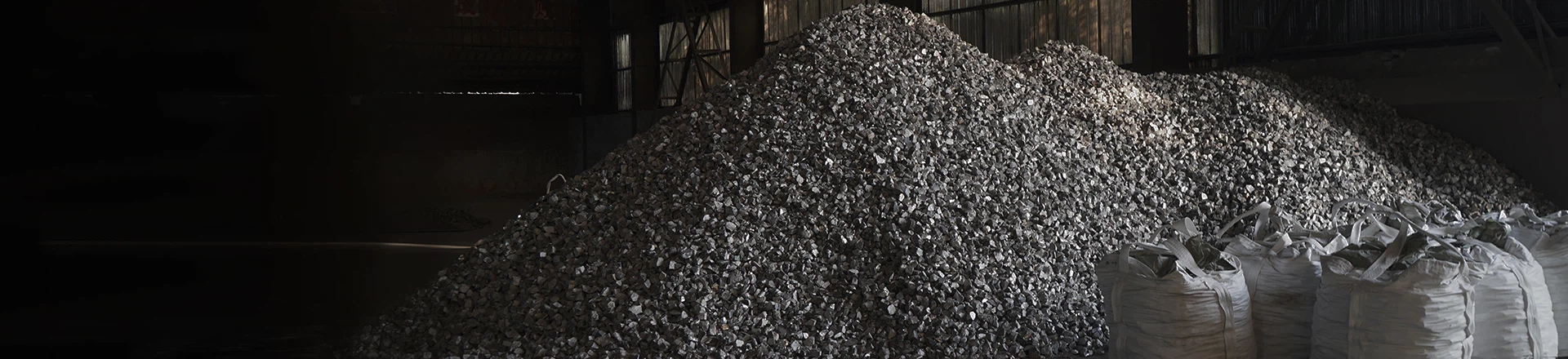


Graphite Petroleum Coke GPC
High quality products:We adhere to the use of high-quality raw materials and adopt advanced technology and strict quality control to ensure that the supplied ferroalloy products meet international standards and customer needs.
Fast delivery:We have a strong supply chain and logistics network that can deliver products to customers in the shortest possible time and provide timely tracking services to ensure that customer needs are met.
Personalized customization:We can customize production and packaging according to the specific needs of our customers, to meet the needs of various applications and markets, and provide the best solutions for our customers.
Professional team support:We have an experienced and technically proficient team that can provide customers with comprehensive technical support and consulting services, answer various questions, and provide professional opinions.
Sincerely follow customers:We respect the needs and opinions of our customer wholeheartedly serve them, and establish long-term cooperative relationships to become a trusted supplier for our customers.
What is Graphite Petroleum Coke?
Graphite petroleum coke, also known as graphitized petroleum coke or graphitized coke, is a carbonaceous material produced by thermally treating petroleum coke at high temperatures. Specifically, graphite petroleum coke is placed in a graphitization furnace, and after a high temperature treatment of about 3,000 degrees, the amorphous turbostratic carbon crystals of petroleum coke are transformed into crystalline carbon with a hexagonal layered structure, that is, transformation For graphite.


Advantages of Graphite Petroleum Coke
Enhanced Heat Resistance
Graphite petroleum coke exhibits excellent heat resistance, making it ideal for applications where high temperatures are involved. The material can withstand extreme heat without losing its structural integrity, ensuring the final steel product performs well under challenging conditions.
Improved Strength and Durability
The inclusion of graphite petroleum coke in steel manufacturing leads to improved strength and durability. The carbon content of the material enhances the steel's structural integrity, making it more resistant to wear, corrosion, and deformation. This results in longer-lasting and more reliable steel components.
Excellent Electrical Conductivity
Graphite petroleum coke possesses superior electrical conductivity, a crucial property in many steel applications. It allows for efficient current flow, making the steel suitable for electrical and electronic components, such as conductive coatings, electrodes, and wires.
Low Thermal Expansion
One of the distinct advantages of graphite petroleum coke is its low thermal expansion coefficient. This property ensures minimal dimensional changes in the steel during temperature variations. It helps maintain precision and accuracy in additive manufacturing processes.
Cost-Effectiveness
Graphite petroleum coke offers a cost-effective solution for steel additive manufacturing. Its availability and competitive pricing make it an affordable choice for both large-scale production and small-scale applications. By utilizing graphite petroleum coke, manufacturers can reduce production costs while maintaining high-quality standards.
Environmentally Friendly
Graphite petroleum coke is an environmentally friendly material due to its natural origin and low environmental impact. It is a sustainable alternative to synthetic carbon materials and helps reduce the carbon footprint associated with steel production.
Application of Graphite Petroleum Coke
Graphite petroleum coke has a wide range of applications, covering many fields. Here are some of the main application areas:
Steel and metallurgical industry:Graphite petroleum coke is an important carburizing agent in the steel and metallurgical industry. It is used to increase the carbon content of steel and adjust its hardness and strength. It is also used to produce large cathode blocks, large carbon electrodes, large graphitized electrodes and high-performance electrode pastes to meet the needs of the steel smelting process.
Graphite manufacturing:Graphite petroleum coke is an important raw material for manufacturing graphite products. Through high-temperature graphitization treatment, graphite petroleum coke can be converted into graphite materials, which can be used to produce graphite products such as graphite electrodes, graphite crucibles, and graphite sheets. These products are widely used in electronics, electric power, metallurgy, chemical industry and other industries.
Chemical industry:Graphite petroleum coke also has important applications in the chemical industry. It can be used as a reducing agent, catalyst carrier or raw material for preparing other chemical products. For example, graphite petroleum coke can be used to produce compounds such as calcium carbide and silicon carbide, which are widely used in the chemical industry.
Aluminum smelting industry:Graphite petroleum coke is also used in the aluminum smelting industry. In the aluminum electrolysis process, graphite petroleum coke serves as the anode material, providing electric current and assisting in the extraction of aluminum through electrolysis reactions.
Other fields:Graphite petroleum coke can also be used in the production of high-temperature crucibles, lubricants in the machinery industry, and the production of electrodes and pencil leads. In addition, it can also be used in carbon brushes in the electrical industry, electrodes in the battery industry, catalysts in the fertilizer industry, etc.

The main component of graphite petroleum coke is carbon, usually accounting for more than 85%. In addition, it also contains small amounts of hydrogen, oxygen, nitrogen, sulfur and metal elements. These elements exist in the form of compounds, with sulfur being one of the most common impurity elements. The higher the carbon content of graphite petroleum coke, the better its quality. The carbon content directly affects the use and performance of graphite petroleum coke. Graphite petroleum coke with high carbon content has high graphitization degree and electrical conductivity, and is suitable for manufacturing electrodes, carbon products and smelting industrial silicon. Low-carbon graphite petroleum coke may be used in other specific industrial applications.
It is worth noting that the composition of graphite petroleum coke may vary depending on the production process and raw materials. Therefore, in specific applications, it is necessary to select the appropriate graphite petroleum coke based on actual needs and uses.
How Graphite Petroleum Coke Enhances Steel Additive Manufacturing Processes?
Enhancing Metal Melting
When graphite petroleum coke is added to the steelmaking process, it aids in the efficient melting of metal. The material acts as a heat conductor, reducing the energy required to achieve the desired melting temperature. This results in improved efficiency and reduced energy consumption.
Improving Metal Casting
Graphite petroleum coke enhances the metal casting process by improving the flowability and fillability of molten metal. It reduces the viscosity of the metal, allowing for smoother casting and the production of intricate shapes and designs.
Optimizing Metal Coating
By incorporating graphite petroleum coke into metal coatings, manufacturers can achieve superior adhesion and coverage. The material's unique properties enhance the coating's conductivity, durability, and resistance to corrosion, extending the lifespan of coated steel components.
Enhancing Metal Hardening
The addition of graphite petroleum coke during the hardening process improves the steel's hardness and surface finish. It enables the production of high-quality, hardened steel components that are resistant to wear and abrasion, ensuring their longevity in demanding applications.
Graphite Petroleum Coke (GPC) and Calcined Petroleum Coke (CPC) are widely used carbon additives in various industries. While both serve similar purposes, it is important to understand their differences in terms of raw materials, manufacturing process, properties, and applications.
Raw Materials
● Both GPC and CPC are derived from raw petroleum coke, but they undergo different processing techniques.
Manufacturing Process
● GPC is produced through a high-temperature graphitization process in a graphitization furnace, reaching temperatures of around 3000°C.
● CPC is manufactured through calcination, which involves heating petroleum coke in a forge furnace at temperatures exceeding 1500°C.
Fixed Carbon Content
● GPC typically has a higher fixed carbon content, ranging from about 98% to as high as 99%.
● CPC generally contains a fixed carbon content of approximately 98.5%.
Sulfur Content
● GPC generally has a lower sulfur content, ranging from 0.03% to 0.06%, with an absorption rate of sulfur between 90% and 95%.
● CPC typically has a slightly higher sulfur content of around 0.5%, with an absorption rate ranging from 80% to 90%.
Smelting Time
● Due to the differences in manufacturing processes, the smelting time for GPC is longer compared to CPC.
Properties and Applications
● GPC's high fixed carbon content and low sulfur content make it ideal for applications requiring high purity and excellent conductivity. It is commonly used in the production of electrodes, lithium-ion batteries, and other high-performance carbon products.
● CPC, with its comparatively lower cost, is widely used as a carbon additive in steelmaking, foundry, and other industrial applications where a moderate level of carbon content and sulfur absorption is acceptable.
Graphitized Petroleum Coke: The Future of the Energy Industry
As a major player in the energy industry, it is important to keep up with the latest advances in technology and products. Graphitized petroleum coke is one such product that has received a lot of attention in recent years. This black or dark gray hard solid petroleum product is composed of tiny graphite crystallized into granular, columnar or needle-like carbon bodies. With its metallic luster and porous structure, it has become a popular choice for various applications in the energy and other industries.
Graphitized petroleum coke contains more than 99% carbon, making it an excellent choice for use as a fuel source. However, it also contains nitrogen, chlorine, sulfur and heavy metal compounds. To be used safely and effectively, it must be properly refined and processed. A variety of methods are available for this purpose, including fluid catalytic cracking, coking and gasification. These processes convert raw petroleum coke into high-quality, value-added products that meet energy industry standards.
One of the main advantages of graphitized petroleum coke is its high energy density. That means it can deliver a lot of power in a small volume, making it ideal for fueling engines and other equipment. It also produces less ash and other pollutants than traditional coal, making it a cleaner, greener fuel source. Furthermore, its high carbon content makes it an excellent material for carbon-based products such as electrodes, anodes and cathodes in the steel and aluminum industries.
Another major advantage of graphitized petroleum coke is its versatility. It is used in a variety of applications, including as a fuel source for power generation, as a reducing agent in metal production, and as a lubricant in the manufacture of engine parts. Its unique properties also make it an excellent choice for the production of advanced materials such as carbon fiber and graphene.
In conclusion, graphitized petroleum coke is a major player in the energy industry and will become even more important in the coming years. Its high energy density, versatility and unique properties make it an excellent choice for a wide range of applications, from fueling engines to producing advanced materials. As the energy industry continues to grow and technology advances, graphitized petroleum coke will undoubtedly play an important role in shaping the future of the industry.
What Precautions Should Be Taken While Handling Graphite Petroleum Coke?
When handling graphite petroleum coke, you need to pay attention to the following matters:


Safety:Graphite petroleum coke is a carbonaceous material, so fire and explosion protection need to be paid attention to during handling. Avoid contact with fire sources, static sparks and other fire sources, ensure that the working environment is well ventilated, and prevent dust accumulation from causing explosions.
Dust protection:Graphite petroleum coke may produce dust during processing, and long-term inhalation may have an impact on health. Operators should wear appropriate dust masks and protective glasses to ensure that personal protection measures are in place.
Storage and transportation:Graphite petroleum coke should be stored in a dry, ventilated, and cool place, away from direct sunlight and high temperatures. During transportation, ensure that the packaging is complete to avoid damage and leakage.
Handling and processing:When handling and processing graphite petroleum coke, appropriate measures should be taken based on its physical and chemical properties. Avoid using too much force or high speed to avoid creating excessive dust or causing sparks.
Environmental protection:When handling graphite petroleum coke, you need to pay attention to environmental protection to avoid pollution to the surrounding environment and ecology. Pollutants such as waste water and exhaust gas should be properly treated and comply with environmental protection requirements.
Personal protection:Operators should wear protective clothing, gloves, shoes, etc. that meet the requirements to avoid contact with graphite petroleum coke, which may cause irritation to the skin and eyes. At the same time, regular health check-ups should be carried out to ensure good health.
Production Process of Graphite Petroleum Coke
The production process of graphite petroleum coke mainly includes the following steps:
Choose high-quality petroleum coke as raw material. Petroleum coke is a petroleum product obtained after crude oil is distilled to separate light and heavy oil, and then the heavy oil is thermally cracked. It is black and porous, with a carbon content of more than 80% and an ash content of generally less than 0.5%.
Petroleum coke is screened, crushed and pulverized to break it into appropriate particle sizes.
Put the crushed petroleum coke into a high-temperature furnace for roasting. This step helps purify and upgrade the petroleum coke, giving it a higher calorific value and better physical properties.
The roasted petroleum coke is cooled to lower its temperature. Then, defective products are removed through mechanical sorting to ensure product quality.
Graphitize the cooled petroleum coke. High-temperature graphitization treatment is usually used, that is, petroleum coke is put into a graphitization furnace and graphitized at high temperature (such as 2800°C-3000°C). During this process, the remaining impurities in the petroleum coke will gradually evaporate, and the carbon elements will rearrange to form a tighter graphite structure, ultimately forming high-purity graphitized petroleum coke.
After graphitization, the petroleum coke is finely processed and packaged, and then can be sold out of the factory and used to make electrodes, cathodes, boiler fuel and other industrial products.
How to Store Graphite Petroleum Coke?
Moisture-proof
Graphite petroleum coke should be stored in a dry, ventilated place to avoid moisture. Moisture can cause hygroscopicity and spontaneous combustion of graphite petroleum coke, so the relative humidity of the storage environment needs to be kept low.
Prevent spontaneous combustion
Graphite petroleum coke may spontaneously ignite during storage, so it needs to be turned and inspected regularly to ensure good heat dissipation of graphite petroleum coke. If the local temperature is found to be too high or there are signs of spontaneous combustion, immediate measures should be taken to deal with it.
Classified storage
Different brands of graphite petroleum coke should be stored separately to avoid confusion. At the same time, it should be ensured that the storage area is clearly marked and numbered to facilitate management and search.
Fire safety
Graphite petroleum coke is a flammable substance, so fire prevention facilities such as fire extinguishers, fire hydrants, etc. should be installed in the storage area. At the same time, smoking, using open flames and other behaviors that may cause fire are prohibited in the storage area.
Regular inspection
Regularly inspect the stored graphite petroleum coke to ensure that its quality and quantity have not changed. If any abnormality is discovered, it should be handled and reported promptly.
Certifications


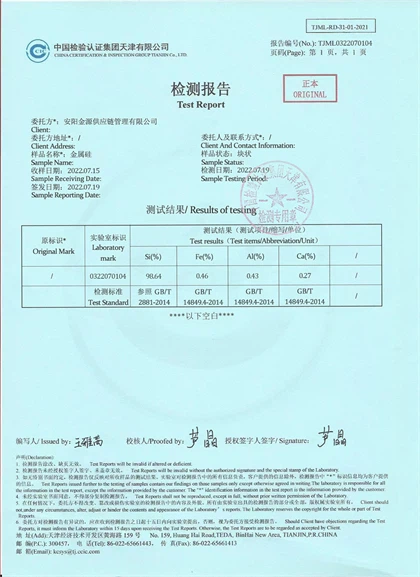
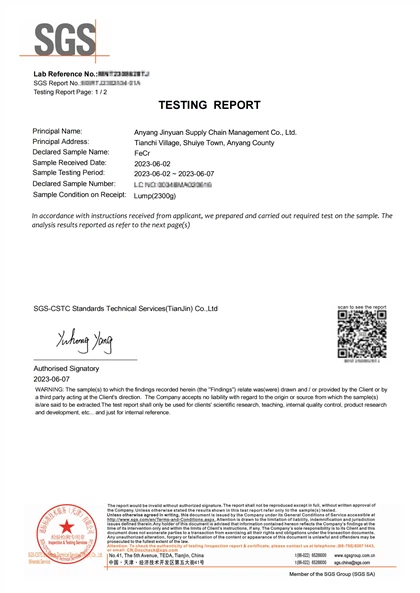
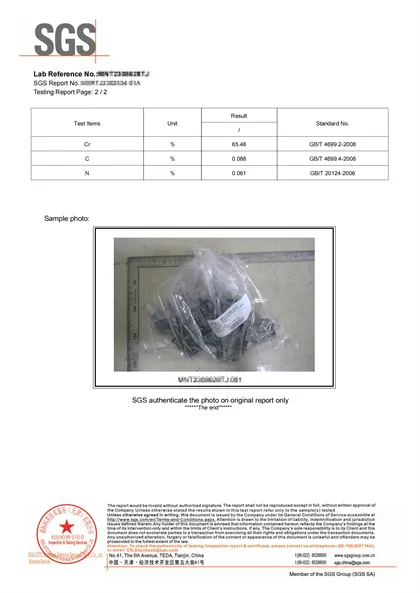

Anyang Jinyuan Supply Chain Management co., Ltd was established in 2021s. It covers an area of 30,000 square meters, with registered capital of 1,638,880 dollars, liquid capital of 6million dollars and annual sales of 16 million dollars. We are capable of researching and developing new products independently. For the past years, we have produced many new and special products for clients of steel mills and foundry industries, which satisfy our clients and help us enjoy good comments and higher praise.

Ultimate FAQ Guide to Ferro Silicon
Q: What is graphite petroleum coke?
Q: Is graphite made from coke?
Q: How do you make graphite from petroleum coke?
Q: What is the difference between graphite petroleum coke and calcined petroleum coke?
Q: What is the difference between coke and petroleum coke?
Q: What is petroleum coke used for?
Q: What is the difference between graphite and coke?
Q: Is petroleum coke the same as coal?
Q: What are the chemicals in petroleum coke?
Q: What is a good substitute for petroleum coke?
Q: How do you clean petroleum coke?
Q: How is petroleum coke obtained?
Q: Is graphene and graphite the same thing?
Q: What is the difference between coke and petroleum coke?
Q: What is the difference between calcined petroleum coke and petroleum coke?
Q: Where is calcined petroleum coke used?
Q: Is petcoke used in cement?
Q: What is graphite petroleum coke used for?
Q: What is the difference between CPC and GPC?
Q: Can you make graphite from coke?
Hot Tags: Graphite Petroleum Coke GPC, China Graphite Petroleum Coke GPC manufacturers, suppliers, factory, Ferro Silicon Manganese, Fesi Granules, Gpc carburizer, Ferrochrome For Steelmaking, Manganese Briquette, High Carbon Ferro Chrome
You Might Also Like


Send Inquiry