



Graphitized Petroleum Coke
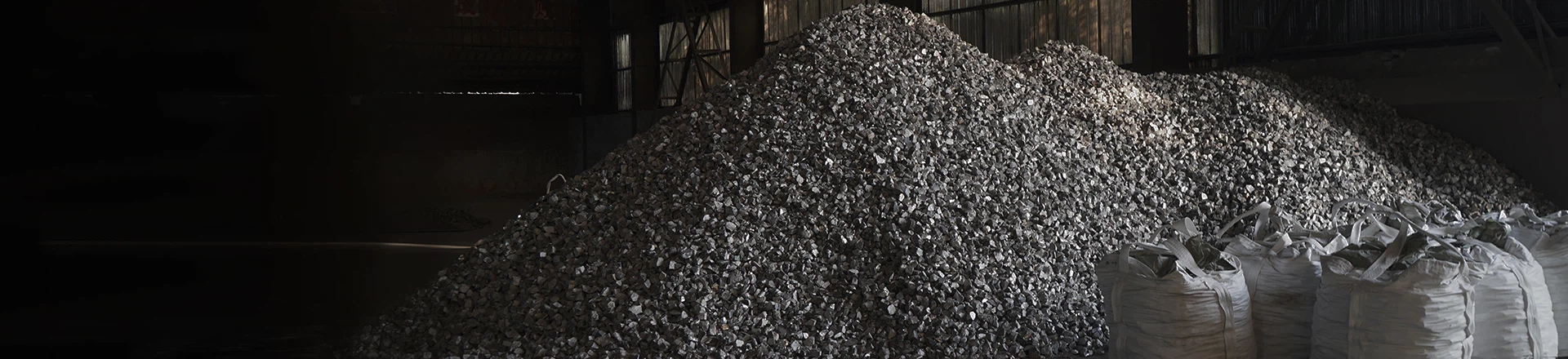
Carbon additives, based on their raw materials and processing methods, can be classified into the following categories: calcined coal carbon additives, petroleum coke carbon additives, columnar graphite carbon additives, and graphitized petroleum coke carbon additives.

Among these, the best quality is found in low-sulfur, low-nitrogen graphitized petroleum coke, also known as artificial graphite. This type is particularly suitable for melting ductile iron, resulting in superior quality castings.
Artificial graphite is produced by calcining petroleum coke, adding pitch as a binder, and incorporating other auxiliary materials. This mixture is then subjected to a high-temperature graphitization process at 2500-3000℃, significantly reducing the ash, sulfur, and gas content. Due to the high cost of producing artificial graphite, carbon additives are typically made from the cutting particles generated during electrode manufacturing or from crushed scrap electrodes. Additionally, tailings from anode material production are a good source of carbon additives. The most crucial indicator of artificial graphite quality is its sulfur content, which ranges between 0.01% and 0.07%.

Application of Graphitized Petroleum Coke as a Carbon Additive in Steelmaking
Graphitized petroleum coke (GPC) is derived from the waste residue of petroleum refining. Graphitization involves the high-temperature treatment of petroleum coke, where it is heated to 3000 degrees Celsius, causing the carbon molecules to change from a random arrangement to a hexagonal, uniform structure. This transformation allows the petroleum coke to decompose more effectively in molten iron. As a result, GPC has become the mainstream carbon additive in the market today.
Most carbon additives are suitable for electric furnace smelting, with a few high-absorption-speed additives also used in cupola furnaces. In electric furnace smelting, the carbon additive should be added along with the scrap steel and other furnace charges. For small-scale additions, it can be sprinkled on the surface of the molten iron. However, large-scale additions should be avoided to prevent excessive oxidation, which can lead to insufficient carbon content in the castings and reduced carbonization effects.
The amount of carbon additive added depends on the ratio and carbon content of the other raw materials. The primary characteristic of a good carbon additive is the selection of pure graphitized carbon material, which reduces the excess impurities in pig iron. Choosing the appropriate carbon additive can also lower the production costs of castings.
Quality Assurance
As a company dedicated to customer satisfaction, Anyang Jinyuan strictly adheres to international quality standards and continuously improves our production processes to ensure the high quality and consistency of our products. We welcome and accept testing from any authoritative third-party inspection agency (such as CCIC/SGS/BV/AHK) to ensure that our products meet requirements and provide customers with confidence and peace of mind. We firmly believe that through rigorous quality control and transparency, we can provide customers with the highest quality products and services.


Graphitized Petroleum Coke Packaging

FAQ
Q: Where are your products exported to?
Q: What kind of products do you offer?
Q: Do you have any certifications?
Q: How do you handle shipping and delivery?
Q: Can you provide customized packaging?
Q: Do you offer technical support?
Q: Can you provide samples for testing?
Q: What are your payment terms?
Q: Do you have a minimum order quantity requirement?
Q: How do I contact you for further inquiries?
Q: What are your advantages?
Q: Do you provide free samples?
Q: Can I visit your factory?
Hot Tags: graphitized petroleum coke, China graphitized petroleum coke manufacturers, suppliers, factory, Ferro Chrome Low Carbon, Ferro Silicon Cored Wire, High Carbon Silicon, CPC carburizer, Micro Carbon Ferro Chrome, Manganese Briquette
Previous
GPC 98.5You Might Also Like




Send Inquiry