

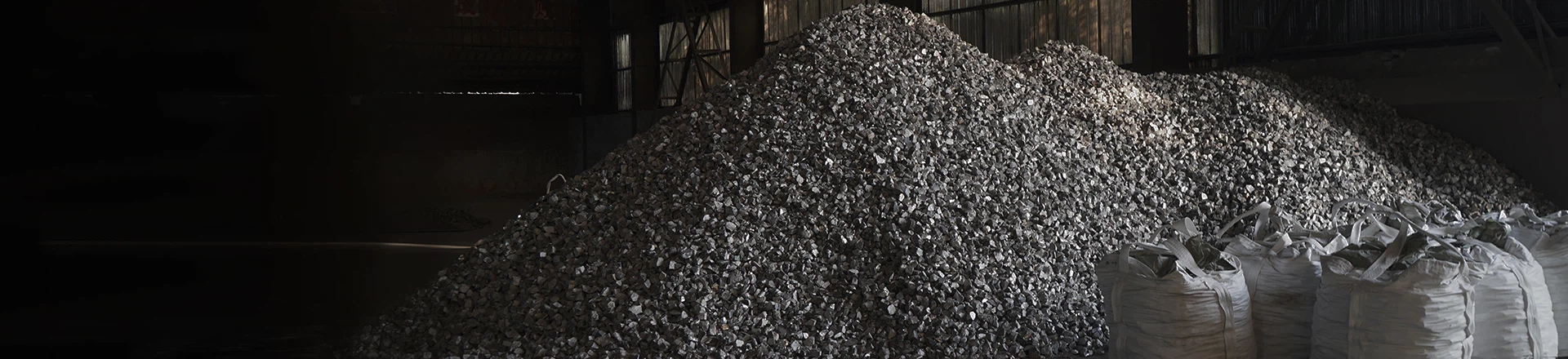
With the continuous rise in the prices of ferrosilicon and silicon-based products, more and more steel mills and foundries are beginning to use silicon carbide instead of ferrosilicon to achieve deoxidation, increase carbon content, and enhance silicon content. The demand for silicon carbide is increasing due to its relatively low price and ability to be customized into various shapes, such as silicon carbide balls and silicon carbide powder. Especially in the casting industry, silicon carbide is highly favored for its low cost and excellent performance.
Although both steel mills and foundries have a high demand for silicon carbide, the requirements differ due to the different products they produce, economic benefits, and desired effects. Consequently, the choice of silicon carbide also varies.
Steel mills typically require large quantities of silicon carbide for deoxidation during the steelmaking process. To reduce costs, they generally opt for grade-three silicon carbide, such as SIC65#, SIC70#, SIC75#, etc. On the other hand, foundries usually require higher-quality silicon carbide to ensure product quality. Therefore, they tend to choose higher-grade silicon carbide, such as SIC88# and SIC90#.
Silicon carbide 88 is commonly used for smelting ferroalloy products in small-medium frequency furnaces and cupolas. It has a high silicon content, quick dissolution time, good absorption rate, does not affect steelmaking time, and is suitable for various specifications of ladles.
Silicon carbide 70 is often used as a composite deoxidizer for making ordinary steel, alloy steel, and special steel, replacing expensive deoxidizer products to reduce production costs while ensuring product quality.


