

Events:
- South32 Halts GEMCO Operations: The Australian mining giant South32 has announced a halt to operations at its GEMCO facility. Initially paused for one month, the suspension has been extended through the third quarter of the company's fiscal year, from January to March 2025. This is expected to affect about 9-10% of China's manganese ore imports.
- Derailment in Gabon: On April 26, Gabon, the world's second-largest manganese ore producer, experienced a derailment incident, damaging nearly 300 meters of railway and derailing 26 empty cars. The repair is expected to take two weeks to a month. Gabon ships over 500,000 tons of manganese ore monthly. With an existing supply gap due to the South32 suspension, prolonged repair times in Gabon could further tighten manganese ore supplies.
1. Hot Events
1.1 Event: Disruption in Manganese Ore Shipping at GEMCO Terminal In March, Cyclone Megan caused damage to the GEMCO terminal and roads on Groote Eylandt in Australia. South32 announced in April that manganese ore shipments would be halted for a year, pushing up manganese prices.
1.2 Impact: Estimated Loss of 3 Million Tons of Australian Manganese Ore
- Current Situation: Based on 2023 shipping volumes, Groote Eylandt accounts for about 73% of Australia's total manganese ore exports. Australia exported 7.44 million tons annually, with Groote Eylandt shipping 5.45 million tons globally. In 2023, 4.18 million tons were shipped to China, representing 76.7% of the port's total shipments, averaging 11,500 tons per day. By 2024, 1.04 million tons have been shipped to date.
- Projection: If the GEMCO terminal remains closed until the end of the year, the projected loss of Australian ore would be 2.8-3.1 million tons, affecting China's overall manganese ore imports by up to 10% and driving up prices for other high-grade ores.
1.3 Attention Points: South32's Recovery Operations and Announcements
- Whether South32 will bear the approximately $100 million repair costs.
- Efficiency and startup time for small ship transfers (minor impact).
2. Supply Side: China's Manganese Ore Supply
2.1 Import Situation
- Total Volume: In 2023, China imported 31.41 million tons of manganese ore, a 5% increase year-over-year; from January to March 2024, imports were 7.3 million tons, a 0.27% increase year-over-year.
- Structure: In 2023, South Africa accounted for 46.6% of China's manganese ore imports, Australia for 16.7%, and Gabon for 15.6%. Other sources included Ghana, Brazil, Myanmar, and Zambia.
2.2 Arrival Situation: Overall Contraction in Total Volume From January to April 2024, the total arrival volume was 7.81 million tons, a 10.6% decrease year-over-year; Australian arrivals were 1.43 million tons, a 14.4% decrease year-over-year.
- Australia (15-day shipping): Stable arrivals from January to March, unaffected by port issues. The shortfall appeared in April, with shipments at 22,000 tons (a 95.5% decrease year-over-year) and arrivals at 80,000 tons (an 84.3% decrease year-over-year).
- Gabon (50-day shipping): High arrival volumes in the first quarter, with April shipments at 687,100 tons (a 59.1% increase year-over-year) and arrivals at 319,000 tons (a 46.8% decrease year-over-year).
- South Africa: An improved overseas market at the end of 2023 diverted some supplies, with April arrivals at 1.14 million tons (a 24.5% decrease year-over-year).
2.3 Inventory Situation: China's Manganese Ore Inventory at Four-Year Low
- National Inventory: Currently at 5.113 million tons, compared to 6.041 million tons in the same period in 2023, 5.54 million tons in 2022, and 6.013 million tons in 2021.
- Tianjin Port Inventory: Currently at 3.691 million tons, compared to 4.517 million tons in the same period in 2023, and 4.177 million tons in 2022.
3. China's Silicomanganese Production: Demand Expected to Improve Post-Second Quarter
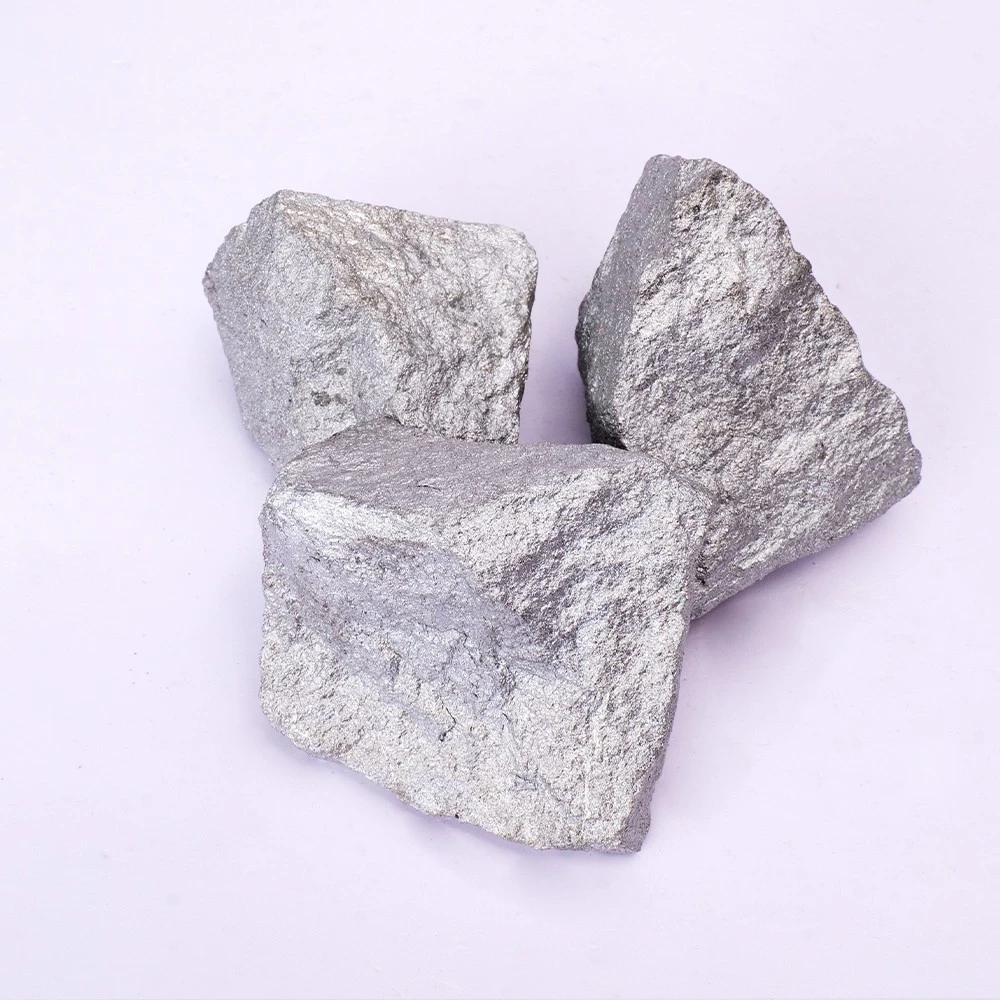
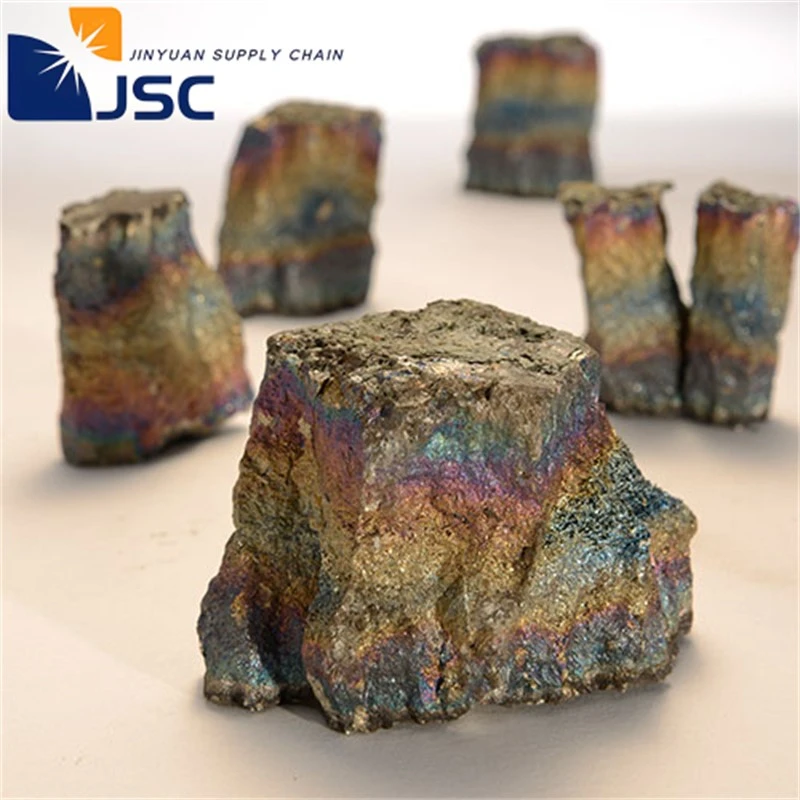
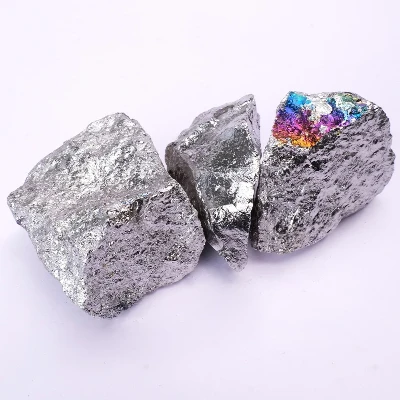
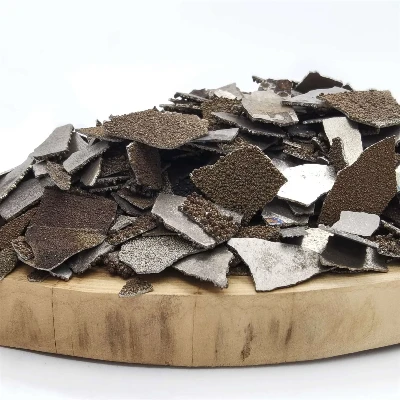
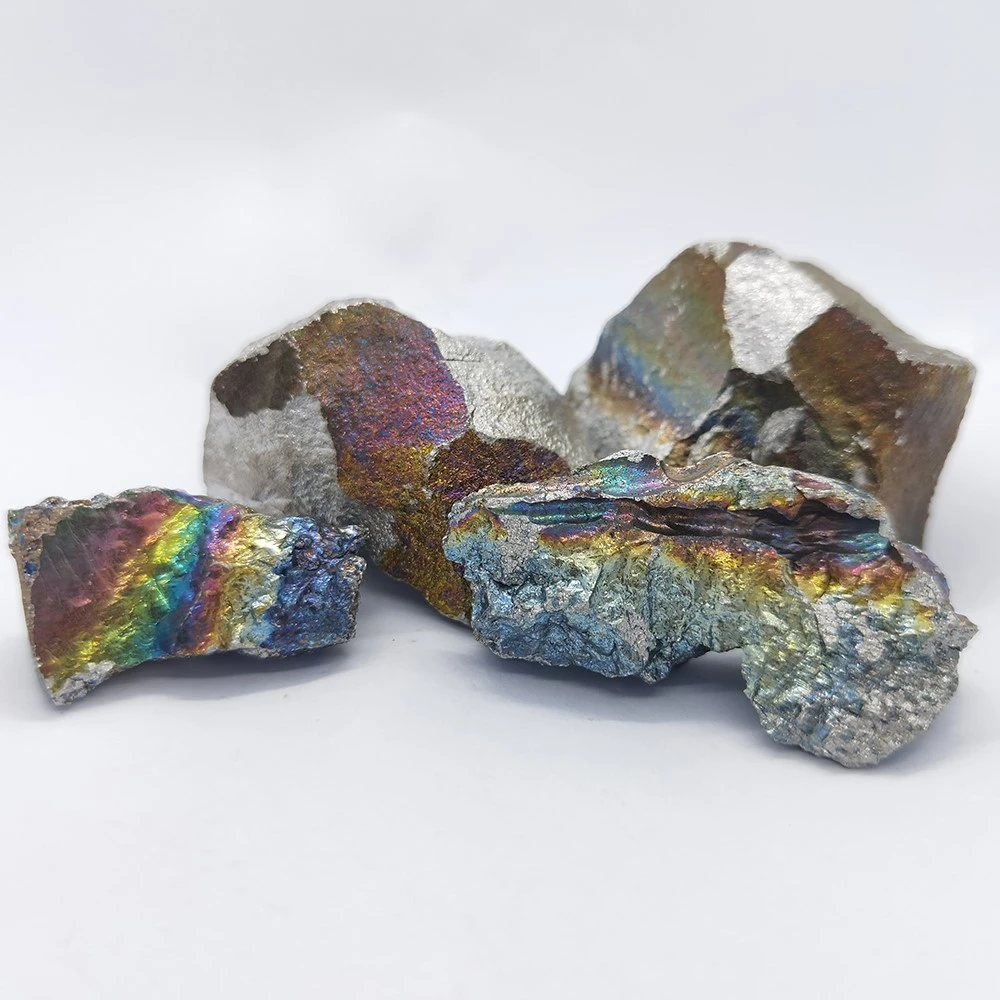
3.1 Production: In 2023, manganese series production included 11.52 million tons of silicomanganese (77%), 1.3 million tons of high-carbon ferromanganese (8.6%), 540,000 tons of medium and low-carbon ferromanganese (3.6%), and 1.15 million tons of electrolytic manganese (7.6%). Silicomanganese is the main product, consuming 23.04 million tons of manganese ore.
3.2 Production Areas: Inner Mongolia (advantage of low electricity prices and low transportation costs) accounts for about 50% of silicomanganese production, with other regions including Ningxia, Guizhou, and Guangxi. National production in the first quarter was 2.62 million tons (a 4% decrease year-over-year); Inner Mongolia's production increased by 8.65% year-over-year, Ningxia's production decreased by 20.29%, Guangxi's production decreased by 60.56%, and Guizhou's production increased by 70.87%.
3.3 Costs:
- Coke: Producing 1 ton of silicomanganese requires about 0.5-0.55 tons of chemical coke. A 100 yuan/ton increase in chemical coke prices raises the cost of silicomanganese 6517 by about 50 yuan/ton. In the first quarter of 2024, a decline in chemical coke prices led to a cost reduction of about 300 yuan/ton for silicomanganese. Since April 16, a new round of price increases has begun, leading to a cumulative increase of about 300 yuan in silicomanganese costs.
- Electricity: Consumption is 3,900-4,000 kWh. A 0.01 yuan/kWh increase in electricity prices raises alloy costs by 40 yuan/ton. The electricity price in Inner Mongolia is 0.21 yuan/kWh lower than in Guangxi, leading to a cost difference of 840 yuan/ton. Watch for potential electricity price reductions in Yunnan during the wet season, which could boost production.
3.4 New Production Capacity: Currently, 2.82 million tons of new silicomanganese capacity is under construction, expected to come online in the second half of 2024 and 2025. Recent additions in Inner Mongolia total 1.0906 million tons, with possible commencement by the end of the year.
3.5 Inventory: The estimated total national inventory is 850,000 tons (one month's production).
3.6 Demand Forecast: Demand is expected to improve In the second quarter, with the recovery in black commodity prices, demand for silicomanganese alloys in the crude steel sector is expected to improve. Based on China's 2023 crude steel production of 1.01908 billion tons, production is expected to hold steady or slightly decrease to about 1 billion tons this year. The remaining three quarters are projected to produce about 740 million tons of crude steel, driving demand for 6.5-7 million tons of silicomanganese. If monthly production averages 750,000 tons from April to December, supply and demand could stabilize.
4. Price Outlook
Current market inventories mostly reflect production costs of 6,000-6,500 yuan/ton for alloys. Manufacturers are profitable, but traders are reluctant to sell, pushing prices higher. Based on current ore prices, costs are around 7,300 yuan/ton in the north and 7,600-7,800 yuan/ton in the south. Long-term, ore price changes are the key factor. National reserves may release 100,000-200,000 tons of stock, with a six-month delivery period, by the end of May. Gabon's June offer is expected at $6.9/ton (a $2 increase month-over-month, equivalent to an 18 yuan rise, pushing silicomanganese costs up by 1,080 yuan). If the Australian port remains closed through year-end, the projected shortfall is 2.8-3.1 million tons, affecting up to 10% of China's manganese ore imports and driving up prices for other high-grade ores. In the short term, steel mill tenders are stabilizing at 8,000-8,200 yuan/ton, with the market probing up to 8,500 yuan/ton for support. In the long term, the Australian ore gap is likely to extend into mid-Q3, with port inventory shortages becoming apparent in July, and the trend continuing into Q3 and beyond.


