

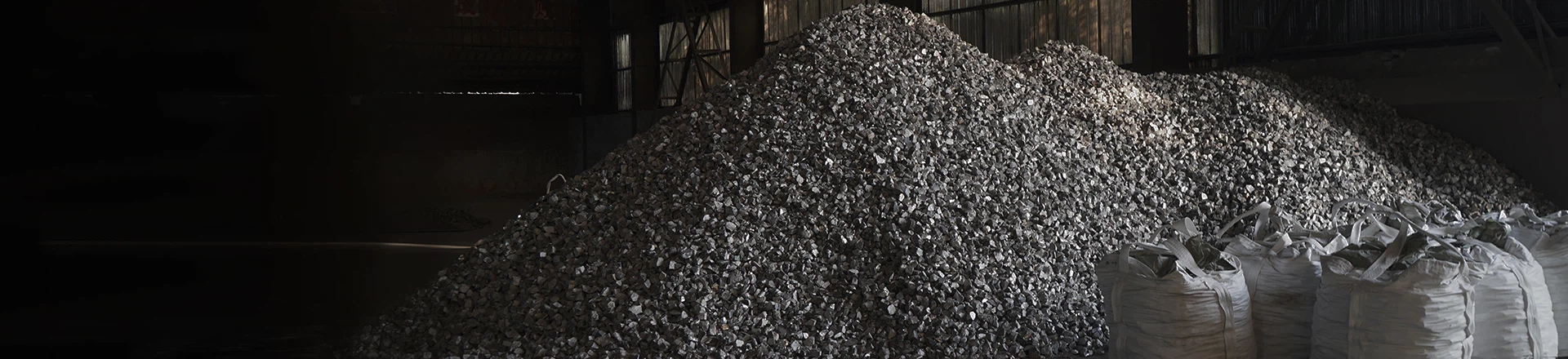


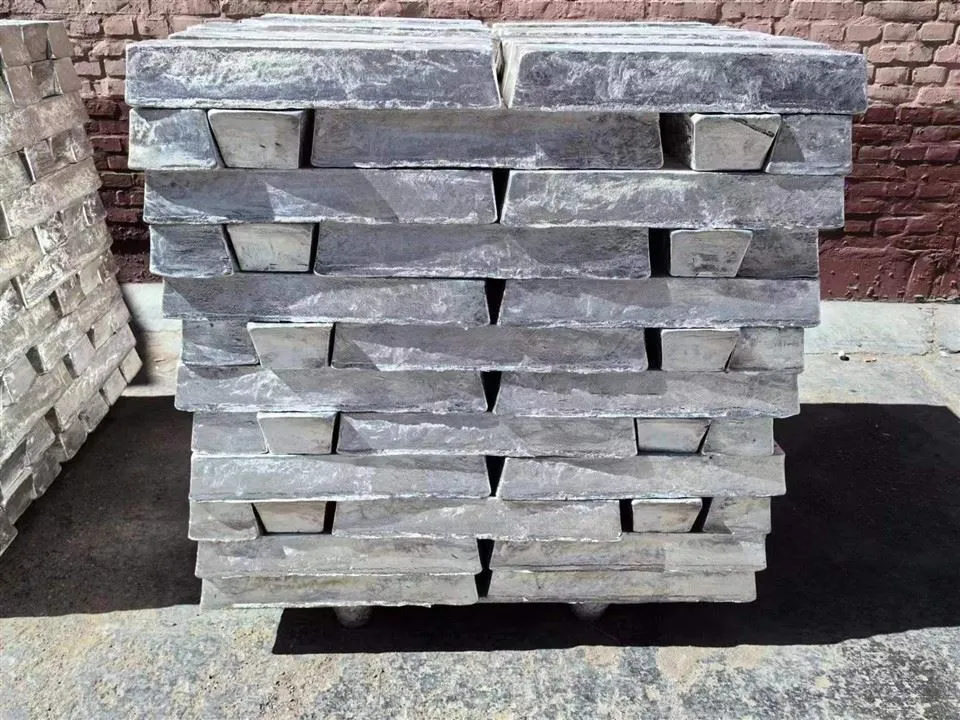


Mg Metal
Mg Metal is a silver-white lightweight metal with a density of 1.738 g/cm³, constituting about 2.5% of the Earth's crust, making it an extremely common rock-forming element. Magnesium metal has a melting point of 650℃ and a boiling point of approximately 1110℃. It has a unique affinity for oxygen and can easily combine with it in the air, resulting in intense combustion and bright light. Magnesium is highly chemically stable, strong, and non-magnetic, and it can react with most non-metals and nearly all acids. Internationally, magnesium powder is used as a material for incendiary bombs and flares.

Mg Metal Be used in a wide range of industries

Aerospace Industries

Train Industry

Automobile Industry

Shipbuilding Industry

Single Crystal Silicon

Metallurgical Industry
Magnesium alloys, formed with aluminum, manganese, zinc, and rare metals, are known for their high mechanical properties and are used in rocket technology, the aviation industry, trains, automobiles, ships, and instrumentation manufacturing. Pure magnesium metal is used as a reducing agent in the production of single-crystal silicon and in electrometallurgy for producing titanium, uranium, zirconium, boron, vanadium, and beryllium. However, magnesium alloys have relatively low corrosion resistance in humid atmospheres and water, particularly in marine environments.
Methods of Producing Mg Metal
Several countries, including the United States, Norway, Canada, and China, produce Mg metal. Each country adopts magnesium production methods suited to their mineral and energy resources. Currently, most countries use dolomite to produce metallic magnesium. The main production methods are molten salt electrolysis and thermal reduction. The former uses magnesium chloride as the raw material, while the latter uses magnesium oxide.
- Electrolysis production of metallic magnesium has various methods, all of which use magnesium chloride as the direct raw material.
- Silicothermic magnesium production involves mixing ferrosilicon with calcined dolomite ore, compressing the mixture into small blocks, and placing them in steel distillation bottles. Under specific temperature and vacuum conditions, silicon reduces magnesium oxide to produce magnesium vapor, which is then condensed to obtain crystalline magnesium. The main silicothermic methods for producing metallic magnesium include the Pidgeon process, the Magnetherm process, and the Bolzano process.
Development of the Mg Metal Industry
The development of the magnesium industry in various countries is tailored to their mineral resources, power, and production methods. Metallic magnesium is an important strategic material, with increasing demand in aluminum alloy additives, ductile iron, steel desulfurization, chemical products, reducing agents, die-cast parts, and structural materials.
Magnesium's extensive and vital applications make it irreplaceable in numerous industrial fields. With technological advancements and growing demand, the production and application areas of magnesium will continue to expand, providing more economic and technical benefits.
Hot Tags: mg metal, China mg metal manufacturers, suppliers, factory, Silicone Metal for aluminium alloy, Industrial Silicon Slag, Foundry Casting Carbon Raiser, Cored Wire Steel Making, Manganese Metal Flakes, Calcium Silicon Alloy
Previous
Manganese FerroNext
Si SlagYou Might Also Like


Send Inquiry