

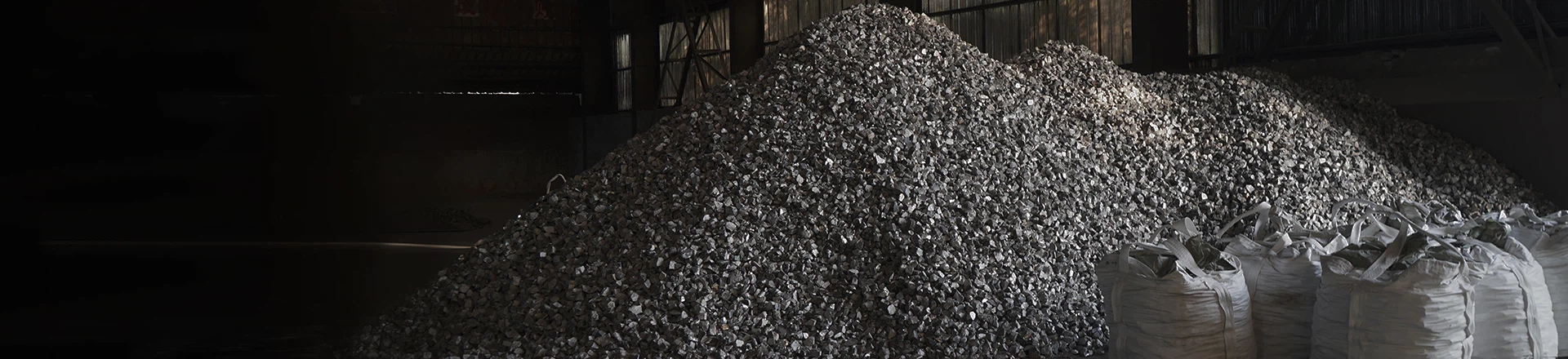


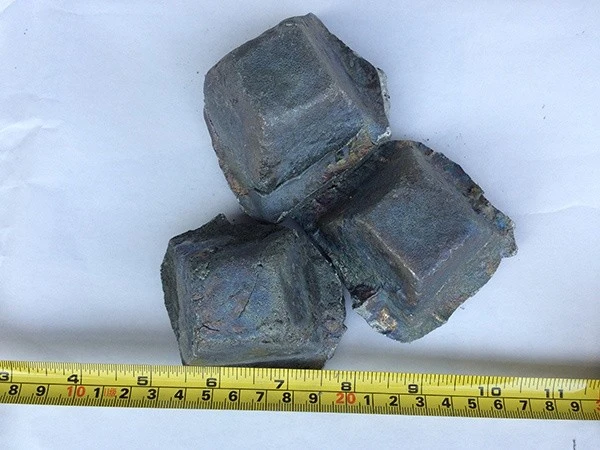

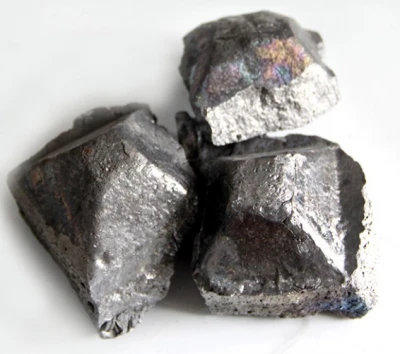
Aluminium Silicon
Aluminium-silicon alloy (aluminium silicon alloy) is a kind of forging and casting alloy with aluminium and silicon as the main components, generally containing 11% silicon, while adding a small amount of copper, iron and nickel to improve strength, density of about 2.6 ~ 2.7g/cm3, thermal conductivity of about 101 ~ 126W/(m-°C), Young's modulus of 71.0GPa, impact value of about 7~8.5J, and the fatigue limit is ±45MPa.
AI-Si alloys are widely used in the automobile industry and machine manufacturing industry to make parts under sliding friction conditions due to their light weight, good thermal conductivity, and certain strength, hardness, and corrosion resistance.

Advantages of Aluminium silicon
Silicon-aluminium alloys combine the excellent properties of silicon and aluminium and have a number of significant advantages that make them widely used in a variety of industries. The following are the main advantages of aluminium-silicon alloys:
Light weight: Low density (2.4 to 2.7 g/cm³) for automotive and aerospace applications where weight reduction is required.
High specific strength and stiffness: High strength and stiffness at low weight for applications requiring high strength.
Good Thermal Conductivity: Efficient heat dissipation for electronic packaging and heat sink components to improve the performance of electronic devices.
Excellent wear resistance: High hardness silicon particles enhance wear resistance for engine components and machine tools.
Good casting performance: good flowability, suitable for complex shapes of castings, reduce processing costs.
Good machinability: easy to cut, suitable for high precision parts.
Good corrosion resistance: The oxide film of aluminium and the properties of silicon enhance corrosion resistance, suitable for marine and chemical environments.
Controlled coefficient of thermal expansion: Silicon content can be adjusted to match different materials to avoid thermal stress.
Good resistance to high temperatures: Suitable for high temperature environments, maintaining mechanical properties and structural stability.
Cost-effective: Cost-competitive due to wide range of materials and excellent performance.
Applications of Aluminium silicon
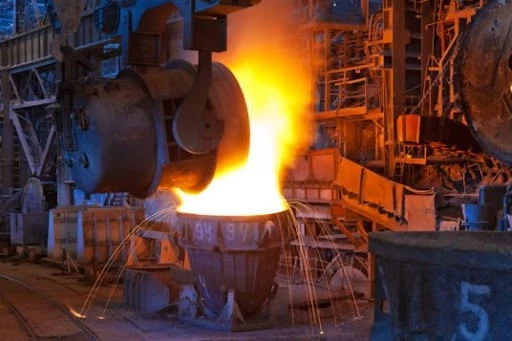
Steel smelting industry
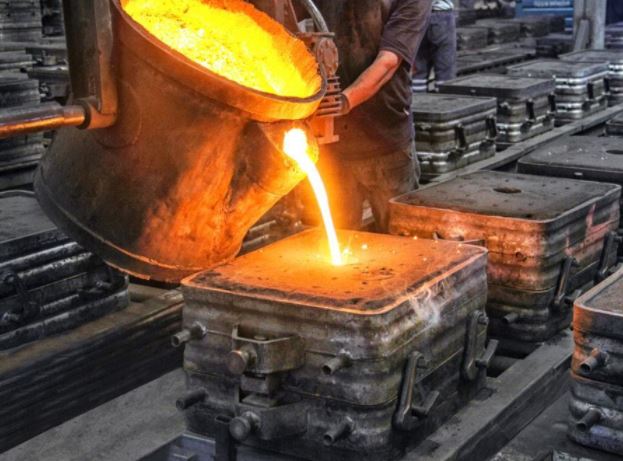
Silicon aluminium alloy is an important alloy material "which consists of a mixture of silicon and aluminium. Due to its unique properties and advantages, silicon-aluminium alloy has been widely used in many fields.
1.Iron and steel smelting:Silicon aluminium alloy is an important deoxidizer and alloy additive, widely used in iron and steel smelting process. By adding appropriate amount of silicon aluminium alloy, it can reduce the oxygen content in steel, improve the purity and quality of steel, and improve the performance and processability of steel.
2. Aluminium alloy manufacturing: Silicon aluminium alloy is also used in the manufacturing process of aluminium alloy. By adding silica-aluminium alloy, the strength, hardness and wear resistance of aluminium alloy can be improved, and its mechanical properties and corrosion resistance can be improved, which is widely used in aerospace, automotive, construction and electronic fields.
3.Foundry industry:Silicon aluminium alloy has important applications in the foundry industry. It can be used as an additive for casting materials to improve the performance and quality of castings. Silicon aluminium alloy can improve the solidification process of castings, reduce shrinkage and porosity of castings, and improve the strength and heat resistance of castings.
4. Powder metallurgy:Silicon aluminium alloy is also used in powder metallurgy. In the process of powder metallurgy, silica-aluminium alloy can be used as an additive to improve the performance of powder metallurgy products and enhance their mechanical properties and wear resistance.
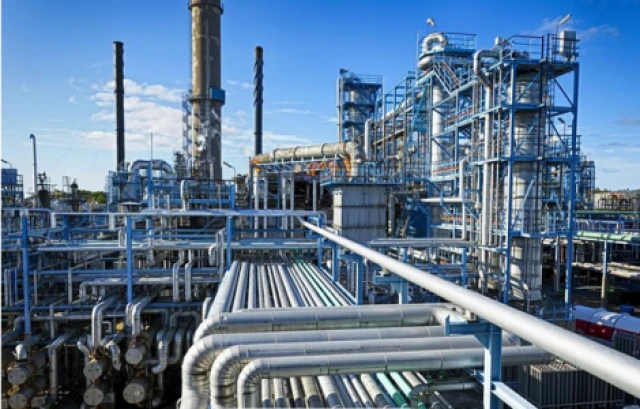
5. Chemical industry:Silicon aluminium alloy is also widely used in the chemical industry. It can be used as a catalyst carrier for catalytic reactions and chemical synthesis processes. Silicon aluminium alloy has high thermal and chemical stability and can withstand high temperature and corrosive environment, so it has an important role in the chemical industry.
In general, aluminium-silicon alloys have a wide range of applications in steel smelting, aluminium alloy manufacturing, foundry industry, powder metallurgy and chemical industry. Its unique properties make silicon-aluminium alloys one of the most important and indispensable materials in many industrial fields.
Upstream and downstream of Aluminium silicon
Upstream: Raw material supply
Industrial silicon (i.e. crystalline silicon, quasi-metallic silicon) is the core raw material for silicon aluminium alloy, accounting for nearly 30% of its total demand.
Uses of industrial silicon: manufacture of polysilicon, silicon-aluminium alloys, organic silicon.
Midstream: Product Manufacturing
Silicon aluminium alloy preparation methods mainly include:
Powder metallurgy method: Use silicon powder and aluminium powder to produce finished products through mixing, sintering and forming processes.
Pressureless infiltration: Complex structures are produced by infiltration technology.
Rapid solidification: Formation of fine structures by rapid cooling.
Vacuum Hot Pressing: Manufactured by applying pressure in a vacuum.
Pressurised infiltration: Infiltration under pressure to enhance densification.
Downstream: Areas of application
Silicon aluminium alloys are used in a wide range of applications:
Automotive Manufacturing: Used in automotive transmission cases, bonnets, frames, wheels, etc.
Electronic Packaging: Used for packaging of high power integrated circuits.
Engineering machinery: high hardness silicon aluminium alloys are used in the manufacture of machine tool castings.
Aerospace: used in the manufacture of aircraft engine parts.
Metal smelting: Used in the melting process of special metals.
Summary
The growth of downstream demand has driven the rapid development of the aluminium-silicon alloy industry. It has a wide range of applications covering automotive, electronics, engineering machinery, aerospace and other fields, showing great market potential.
FAQ
Q: Do your products meet international quality standards?
Q: Do you have sufficient production capacity and reliable supply channels?
Q: What are your product pricing and payment options?
Hot Tags: aluminium silicon, China aluminium silicon manufacturers, suppliers, factory, Silicon Briquette 60, Carburizer, Carbon Cored Wire, High Carbon Ferromanganese, Sulfur Wire, Hc Ferrochrome
Previous
Manganese IronYou Might Also Like


Send Inquiry