





Calcined Coke
Product Description
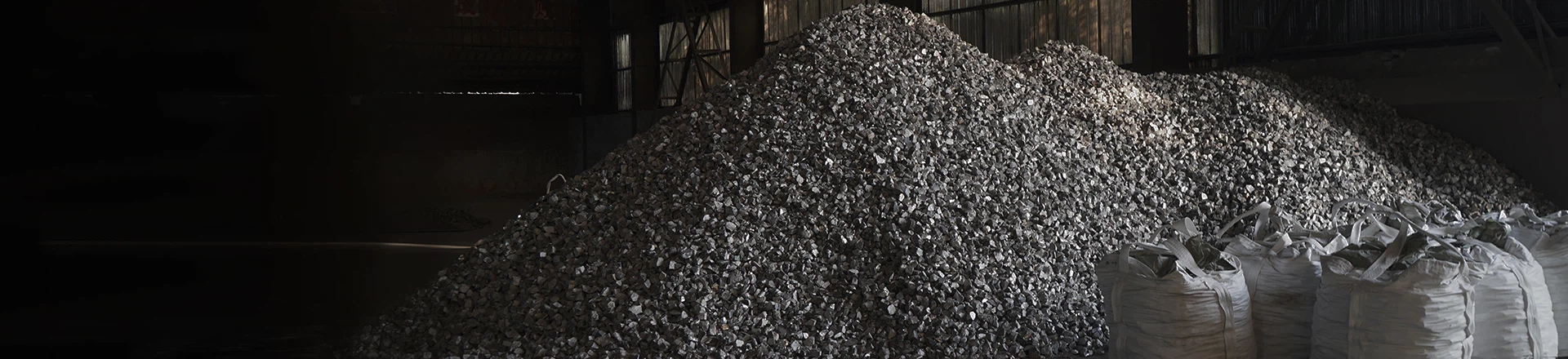
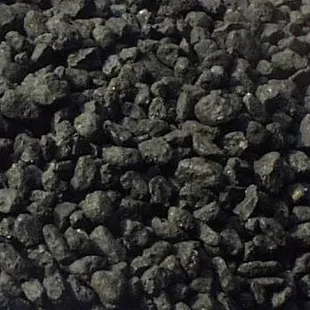
Calcined petroleum coke (CPC) is a black or dark gray hard solid petroleum product with a metallic luster and porosity. Calcined petroleum is made of tiny graphite crystals formed into particles, columns or needles of carbon.
Calcined coke must be calcined to meet the requirements of industrial production. The calcination temperature is usually around 1300°C. The aim is to remove as much volatile matter as possible from petroleum coke.
This greatly reduces the hydrogen content in calcined petroleum coke and increases the degree of graphitization. Therefore, the high temperature strength and heat resistance of the graphite electrode are improved, and the electrical conductivity of the graphite electrode is also improved.
Calcined petroleum coke (CPC) is a key raw material for aluminium production and the main raw material used in the anode manufacturing process. Its role extends beyond the aluminium industry, making a significant contribution to steel and other carbon consuming industries.
Specification

categorization
Calcined coke is divided into two main categories: fuel grade and calcined grade.
Fuel grade calcined coke is used to fuel power plants and other industrial boilers, while calcined grade petroleum coke is used to produce aluminum, steel, and other metals.
Calcined is controversial due to its impact on the environment, especially its high sulfur dioxide and carbon dioxide emissions.
However, technological advances have made it possible to reduce the emissions generated by the combustion of petroleum coke, and it remains an important source of fuel and raw materials for various industries.
Advantage
Calcined coke typically has a carbon content of 98 to 99.5 per cent. This high carbon content ensures excellent performance in carbon-related applications such as anode production and steelmaking;
The calcination process reduces the ash and sulphur content of petroleum coke, making it suitable for applications requiring low impurity content. Low sulphur content is particularly important in steelmaking as it helps to minimise environmental emissions and improve product quality.
Hot Tags: calcined coke, China calcined coke manufacturers, suppliers, factory, Ferrosilicon Alloy, Ferrochromium, Silicon Metal 553, Manganese Metal Flakes, Ca Cored Wire, Calcium Silicon Metal
Previous
Petroleum CokeNext
GPC 98.5You Might Also Like



Send Inquiry